A Practical Fleet Maintenance Checklist for Autonomous Delivery Teams
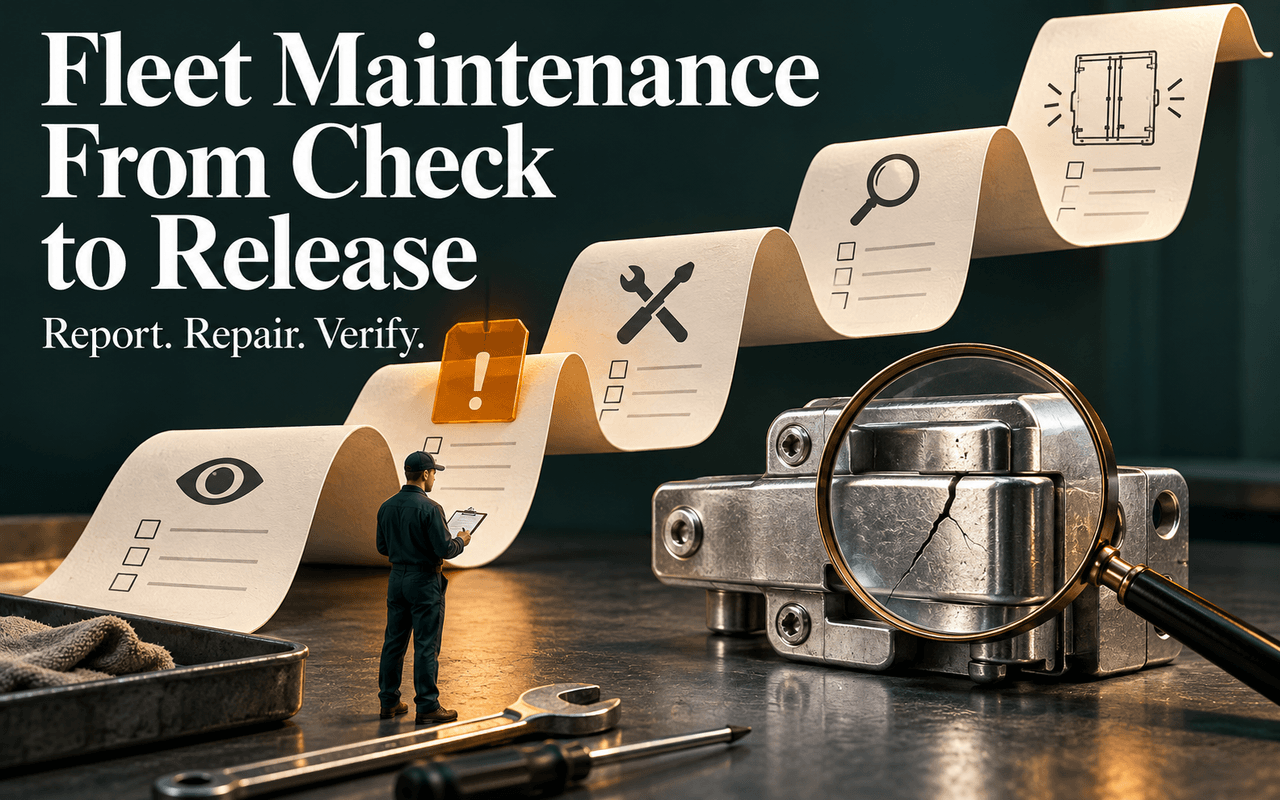
A delivery vehicle is due to leave in twenty minutes. During the preparation check, a team member notices damage near a cargo-door latch. The vehicle still reports available, and another shipment is waiting. The next action should already be clear: record the defect, prevent an unsupported release decision and determine how the goods will move.
A fleet maintenance checklist should connect an observation to that decision. A completed form has little value if dispatch can still assign a held vehicle or if the repair team receives only a vague message saying something looks wrong. Autonomous delivery makes the handover especially important because there may be no onboard driver to carry the information between teams.
This article provides an operating template to adapt with the vehicle supplier and responsible maintenance personnel. It covers checks, records and release decisions. Model-specific inspection methods, defect thresholds and service intervals must come from the applicable manufacturer instructions and operating requirements.
Separate daily checks from planned fleet maintenance
Daily operational checks ask whether a vehicle is ready for its intended assignment. They can reveal visible damage, an unresolved warning, an insecure cargo compartment or a charging connection problem. Staff should perform only the checks for which they have suitable training, access and approved instructions.
Planned servicing addresses the manufacturer's maintenance requirements and the vehicle's condition over time. The UK HSE's inspection and maintenance guidance distinguishes routine checks from preventive maintenance and points operators to manufacturer guidance. It is a useful distinction for organising work, without treating UK requirements as a universal operating rule.
A fleet maintenance program should keep both activities visible. Passing a shift check does not cancel a service that is due. Equally, a recent service does not resolve damage that occurred during yesterday's deliveries. Dispatch needs the vehicle's current release status as well as its maintenance schedule.
Build the check around the actual duty. Repeated industrial park logistics movements may involve frequent cargo-door use and many loading cycles. Those conditions should be discussed with the supplier when defining the inspection scope; they do not justify inventing a universal replacement interval for doors, tyres or other components.
A fleet maintenance checklist that leads to a decision
Check area | Record before release | Decision or owner |
Vehicle identity and status | Vehicle ID, time, checker, open defects and service status | Dispatch confirms eligibility |
Exterior and running gear | Visible damage and findings from approved tyre, light and warning-device checks | Maintenance review deviations |
Cargo compartment | Door closure, floor condition and load-restraint equipment condition | Loading lead reports defects |
Autonomy-related equipment | Visible obstruction or damage and results of supplier-approved readiness checks | Qualified support assesses warnings |
Energy and charging equipment | Readiness for duty and visible damage found during approved connection checks | Depot team escalates concerns |
Final release | Outstanding issues, authorised decision and task restrictions | Named release authority signs off |
Do not ask ordinary operations staff to diagnose a sensor fault, alter calibration or open electrical equipment. Their useful contribution is a clear observation and an accurate record of the displayed condition. Technical work belongs with authorised personnel using the relevant procedures.
Keep the vehicle's physical identity visible throughout the check. A registration or fleet number, location and task reference help prevent a report being attached to a similar vehicle nearby. If the checklist is completed digitally, verify that the selected record matches the vehicle being inspected.
Follow one defect through the shift
Return to the damaged latch. The checker records where the damage is, what was observed and whether the cargo door can be secured under the approved check. They attach a photograph where useful and create a defect reference. They should avoid adding an unsupported diagnosis such as “actuator failure” unless that diagnosis has been made by authorised technical personnel.
If secure closure cannot be confirmed, hold the vehicle from the delivery assignment and notify the designated maintenance contact. Dispatch must see that hold before issuing another task. Any movement to an inspection or repair area needs separate authorisation under the site's procedure; a delivery hold is not permission to improvise a recovery movement.
The goods now need their own decision. Dispatch checks whether a substitute vehicle is suitable for the route, load and operating conditions. The loading team records any cargo transfer and completes the relevant loading checks again. A replacement assignment should preserve the shipment reference while clearly identifying the vehicle that will perform it.
This separation prevents a common error: closing the defect because the delivery has been rescued. Successful substitution solves a customer-service problem. The damaged vehicle remains held until the defect has been assessed and the required release steps completed.
Make the repair handover usable
Fleet vehicle maintenance depends on the quality of the information arriving at the workshop or support team. Provide the defect reference, vehicle identity, observations, time, operating circumstances, warning messages and actions already taken. Record whether the fault is intermittent and preserve relevant diagnostic evidence through approved channels.
Operational training has a concrete place in this handover. The April 2026 SingPost partnership announcement identifies fleet monitoring, management and maintenance training among the areas Zelostech would explore supporting. The announcement also referred to previous real-world testing and deployment between the two companies. The proposed training scope supports discussing staff responsibilities; it is not a published maintenance manual or evidence that a particular repair workflow has been implemented.
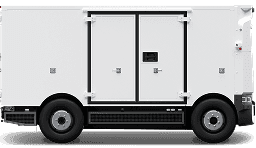
For a fleet using the Singapore-based supplier's Z5 RoboVan, the handover should identify the actual vehicle configuration and relevant supplier procedure. A shared product name is insufficient when service instructions depend on fitted equipment or an approved update. Confirm the applicable documentation with the supplier before assigning the work.
Keep one record through diagnosis, repair and verification. The next team should not have to reconcile a workshop note, an operations chat and an unrelated spreadsheet to establish whether the original defect is still open.
Track the defect through authorised return to service
Record stage | Required information |
Report | Defect ID, vehicle ID, observation, reporter and timestamp |
Hold and reassignment | Release restriction, decision owner, affected task and substitute |
Repair handover | Assigned technician or supplier, evidence and accepted work scope |
Verification | Work completed, required checks, results and remaining limitations |
Release | Authorising person, time, approved operating scope and dispatch acknowledgement |
A repair marked complete should be followed by the verification specified for that work. Depending on the repair, this may involve checks beyond a normal shift inspection. The authorised release decision should confirm any remaining restrictions and make the revised status available to dispatch before a new delivery is assigned.
If the same fault recurs, reopen or link the new report to the earlier history. Repeated resets or repeated short releases should be visible to the responsible technical team. A count of closed tickets can otherwise conceal an unresolved reliability problem.
Review recurring defects, time awaiting assessment, repair turnaround and repeat failures after release. Those records can show where reporting, parts availability or supplier support needs attention. The checklist has done its job when a reported condition leads to a clear vehicle decision, the shipment receives a workable alternative and return to service is backed by an accountable release.