Follow the Freight: France’s Rules for a Driverless Delivery Run
 Imagine a daily replenishment run from a distribution centre to a production site. The vehicle can drive the route, but someone must release the load, decide whether the road is usable, respond to an unexpected stop and confirm receipt. This is a planning example, not a reported French deployment. It shows why France’s automated-freight rules are best read against a real transport job. Decree No. 2024-1063, adopted in November 2024, addresses the vehicle together with the route and the people who operate the service.
Before dispatch: assign the service, then define the route
France’s automated-mobility strategy favours safe, gradual deployment. A national report has proposed priorities for 2025–2027, including changes to safety demonstration and vehicle approval. The report expressly says its proposals do not commit the government to adopt them. A logistics operator should treat that strategy as direction, rather than as permission to start a delivery service or a timetable for nationwide operations.
The enforceable freight framework asks a more immediate question: what exactly will run? The decree describes an automated road freight transport system as a technical system operating on predefined routes or within predefined areas, supported by rules for operation, upkeep and maintenance. For the imagined replenishment run, France’s framework considers the complete service between the dispatch and receiving sites, including its streets, gates and operating arrangements. Approval of a driving system alone would not settle whether that particular journey can be offered.
Responsibility also has to be allocated before the vehicle moves. The decree distinguishes the service organiser, the technical-system designer and the operator. Depending on the arrangement, a freight carrier, freight forwarder or competent public authority may organise the service; the operator is responsible for operation and maintenance. One company can hold more than one role. A workable dispatch plan still needs named owners for vehicle upkeep, trip monitoring, road changes and suspension of service. Those are practical questions for a customer as well as regulatory ones.
At the loading bay: prove the handover works
The first safety-critical moment may occur before the vehicle reaches a road. The technical design file must describe the interface between automated driving and loading, unloading or securing goods, and demonstrate that interface’s safety. This applies whether people or equipment carry out the cargo work. In our example, the team needs a repeatable way to confirm that the load is secure and the handover is complete before departure. A vehicle that follows traffic rules cannot compensate for an unsecured consignment.
The cargo itself needs an eligibility check. The decree prohibits automated carriage of dangerous goods and goods that require a specific approval under other rules. It also bars exceptional loads beyond normal size or weight limits, while leaving scope for a category-specific exception by joint ministerial order. That is why a freight proposal should name its goods at the outset. “General delivery” is too vague to decide whether the route and cargo fit the framework.
On the road: plan intervention before it is needed
The organiser must notify the prefect and designated authority of its decision before the service begins. The decree also requires vehicle runs without goods to record route characteristics, complete pre-service checks and train personnel. An intervention and safety plan must reach the prefect one month before entry into service. Those pre-service runs can reveal loading traffic, closed gates, changing road layouts and other conditions before customer freight is placed onboard.
If the vehicle cannot continue, remote intervention is not an improvised call to whoever is on shift. The decree reserves it for an authorised person who has system-specific training and meets the applicable medical-fitness requirements. Dispatchers and site staff therefore need to know who is available, what that person can do and when the load must be recovered by another means. The law does not supply a ready-made answer for every depot; the operator’s actual working plan has to do that.
At the receiving site, a successful journey still needs a controlled finish. Staff must be able to approach, unload and acknowledge the delivery without creating a conflict with the vehicle’s driving function. Those details belong in the safety case because the French cargo-interface rule covers unloading as well as loading. A legal file describing a clean handover has little value if the night-shift team follows a different routine.
Build evidence at the vehicle–site interface
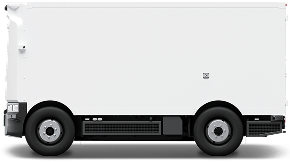
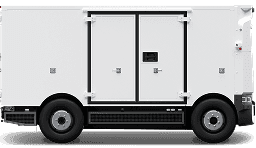
What should a project team test at the loading bay before it assembles a French route dossier? At Austria’s DigiTrans automated-driving test centre, Zelostech reported in 2025 that its Z5 RoboVan had entered commissioning and reliability testing. The announced five-stage evaluation includes safety, reliability and integration into logistics workflows, with loading processes and site infrastructure among the areas to examine. Those are company-reported test plans, not results from a French public-road operation.
The DigiTrans programme highlights several issues that would also matter in a French deployment: how cargo release is confirmed, how the vehicle enters a busy loading area and who takes over when a handover stalls. Those answers still have to be demonstrated for the actual French route and facility; testing in Austria cannot establish French authorisation.
European rules for automated-driving system type approval address the vehicle layer. France’s freight framework addresses the proposed service. Neither layer replaces the other. A project team preparing a French route can use this division to organise its evidence: vehicle capability on one side; route, people, goods and facility procedures on the other. It should not present a foreign test or a European vehicle approval as French permission for a particular freight service.
For repeat warehouse transfer, the decisive evidence will be whether the dispatch, road and receiving teams can perform one defined service safely and consistently. France’s rules bring those interfaces directly into the approval process. They also make the planning decision sharper: choose the goods and route first, identify each responsible party, then test whether the operating procedure can withstand the interruptions a real delivery day brings.