Inside AV Pilot Zones in Dubai, Riyadh, Kuala Lumpur and Singapore
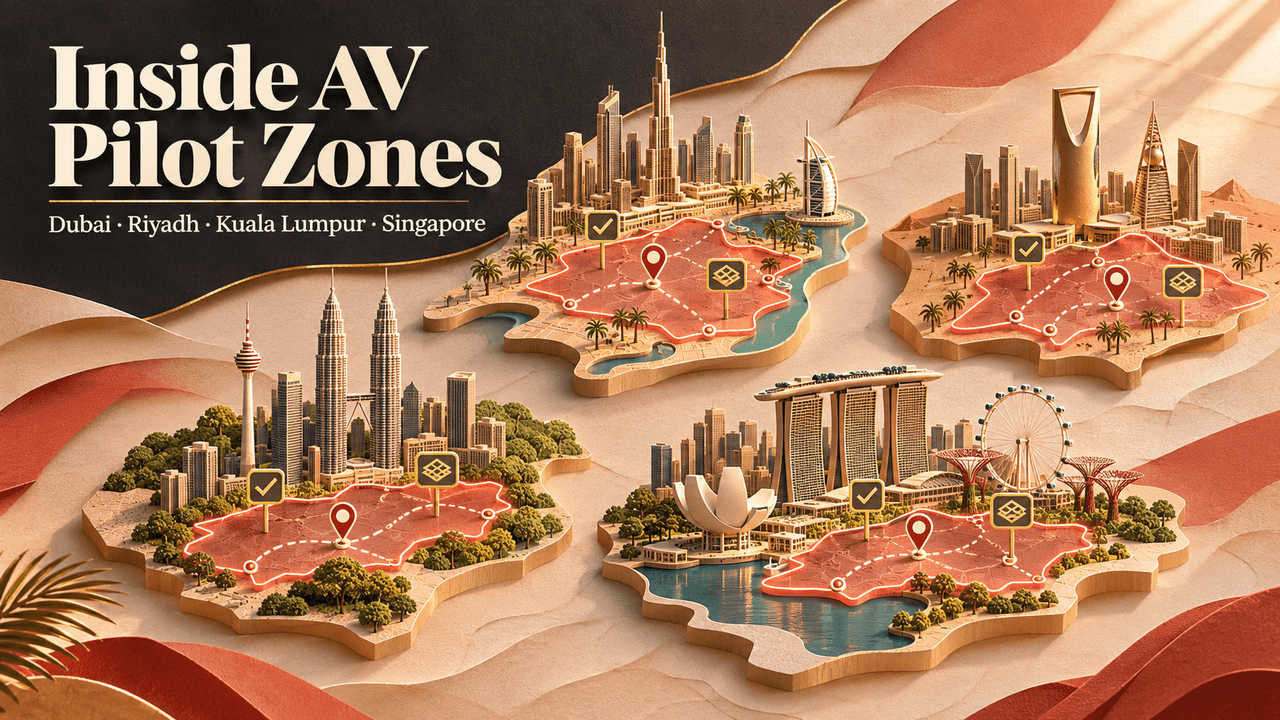
A coloured “autonomous-vehicle zone” on a city map can look like a ready-made delivery market. For a logistics operator, it answers only the first question: where might a vehicle be assessed? The useful questions come next. Which authority controls the road or path? Is the area a test facility, an approved public-road route or a venue-specific service? Does an approval cover carrying goods, and can it support regular work after the trial? Dubai, Riyadh, Kuala Lumpur and Singapore illustrate four different answers. Reading those distinctions early prevents a costly mismatch between a promising map and an actual delivery contract.
Dubai: a place to prove the system
Dubai’s Roads and Transport Authority describes Dubai Mobility Labs at Dubai Silicon Oasis as a testing ecosystem with dedicated tracks, a multipurpose area and scenarios on public roads. Its project description cites 248 test scenarios. That makes the site useful for assessing how an automated vehicle handles varied road layouts and interactions. It does not make every vehicle tested there eligible to serve every customer in the emirate.
Dubai also has a separate legal framework governing the licensing and operation of autonomous vehicles. Under Law No. 9 of 2023, an autonomous vehicle must be licensed by the RTA before traveling on Dubai roads, while operators must obtain the relevant permit for the activity they intend to conduct. A fleet developer therefore has to connect the vehicle’s category, proposed route and intended service to the applicable RTA requirements. This matters when a warehouse sits beyond the test corridor or when a buyer wants daily collection rather than a demonstration. A successful run at the Labs is evidence of technical readiness; it is not permission to operate a delivery service across Dubai.
Riyadh: start with the actual delivery task
Riyadh offers a more task-specific example. In July 2025, Saudi Arabia’s Transport General Authority announced a delivery pilot by Jahez and ROSHN at ROSHN Business Front. The published description identifies the partners and the venue, but does not turn that location into a citywide permission for other fleets. The practical unit of analysis is the service at that site: where orders originate, where handover occurs, who supervises the equipment and which shared spaces it uses.
Riyadh has separately piloted autonomous passenger services on designated routes. That work shows regulatory interest in automated mobility, yet a passenger route cannot be treated as a freight permit. For food, parcels or supplies, the relevant evidence is the delivery programme’s own approved operating conditions. A business-park customer should ask for the route and operating window that cover its buildings, rather than assuming the city’s broader AV activity includes its loading bay.
Kuala Lumpur: the map must name the right city
Malaysia’s transport ministry identifies a trial route at MRANTI Park in Kuala Lumpur. One designated route includes a 3.1-kilometre public road used for access to nearby developments; MRANTI separately describes a wider living lab for AV testing and a short robotics path. Those are useful facilities, but they are distinct environments. A robot path, a managed-park road and an urban public-road logistics route expose vehicles to different people, traffic patterns and approval conditions.
The geographic distinction becomes sharper in Zelostech’s October 2026 announcement. Although the release is datelined Kuala Lumpur, the company says its six-month RoboVan public-road trial is on the approximately 22-kilometre MyAV route in Cyberjaya, Selangor. Zelostech and local partner ALS describe a defined route, remote oversight and monitoring of trips, distance and interventions. This is a public-road trial under its reported approvals, with data intended to support future commercial deployment. It is neither a Kuala Lumpur trial nor a claim of regular commercial service there. For a customer considering business park delivery, the street address of the actual route matters more than the city printed above a press release.
Singapore: assessment and operating authority travel together
Singapore’s Land Transport Authority opened one-north as an on-road AV testbed in 2016. Today, it asks applicants to specify the exact trial area and whether it is a public road or public path. Road vehicles pass safety assessment at CETRAN before deployment; public-path robots face a separate exemption process under the Active Mobility Act. The distinction is operational. A vehicle moving between distribution centres on roads cannot assume access to the footpath outside a store, while a path robot’s exemption does not authorize a road crossing beyond its conditions.
Singapore also shows why “sandbox” is an incomplete description of an operating stage. LTA confirmed in October 2026 that AVs deployed on public roads remain regulated under the Road Traffic (Autonomous Motor Vehicles) Rules 2017 while the government develops a broader AV Act. Within that framework, FairPrice Group has received LTA approval to operate Zelostech autonomous vehicles on public roads for cargo transportation, progressing from supervised trials to remote operations. The legal framework, approved route and actual service stage should therefore be described separately. A logistics operation can move beyond an initial trial while still operating within a regulated framework that continues to evolve.
What a logistics buyer should take from these four places
The same city label can cover a proving ground, a limited delivery pilot, a public-road trial or an ongoing service. Before comparing suppliers, a buyer can draw its own route between specific handover points and mark every transition: loading dock, internal road, public street, pedestrian area and receiving point. Each transition may change the controlling authority or permission. A delivery use case should then be matched to a vehicle’s approved area and operating conditions, not merely to its demonstrated technical range.
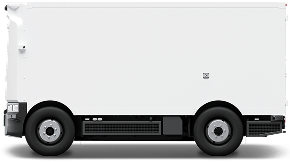
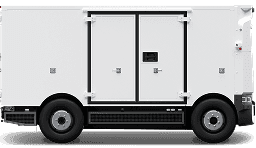
This is where the operational design of a RoboVan becomes relevant. A useful proposal identifies the cargo task, route, operating hours, remote-supervision arrangements and exception-handling process together. Zelostech’s Cyberjaya announcement is informative because it names a route and trial duration; its Singapore account describes a different, commercial stage. Neither fact transfers a permission from one jurisdiction to the other. The comparison gives procurement teams a clearer question than “Is this city AV-friendly?”: Can this particular vehicle legally and reliably complete our particular freight movement, on the exact roads we need, at the stage we intend to buy?