L4 Autonomous Driving: How Level 4 Autonomous Vehicles Are Transforming Commercial Logistics
Commercial logistics has made significant progress in warehouse automation. Technologies such as automated storage systems, sorting solutions, and fulfillment platforms have improved efficiency across many supply-chain processes.
Transportation between logistics facilities remains heavily dependent on manual driving, even when routes, schedules, and operating conditions are highly predictable.
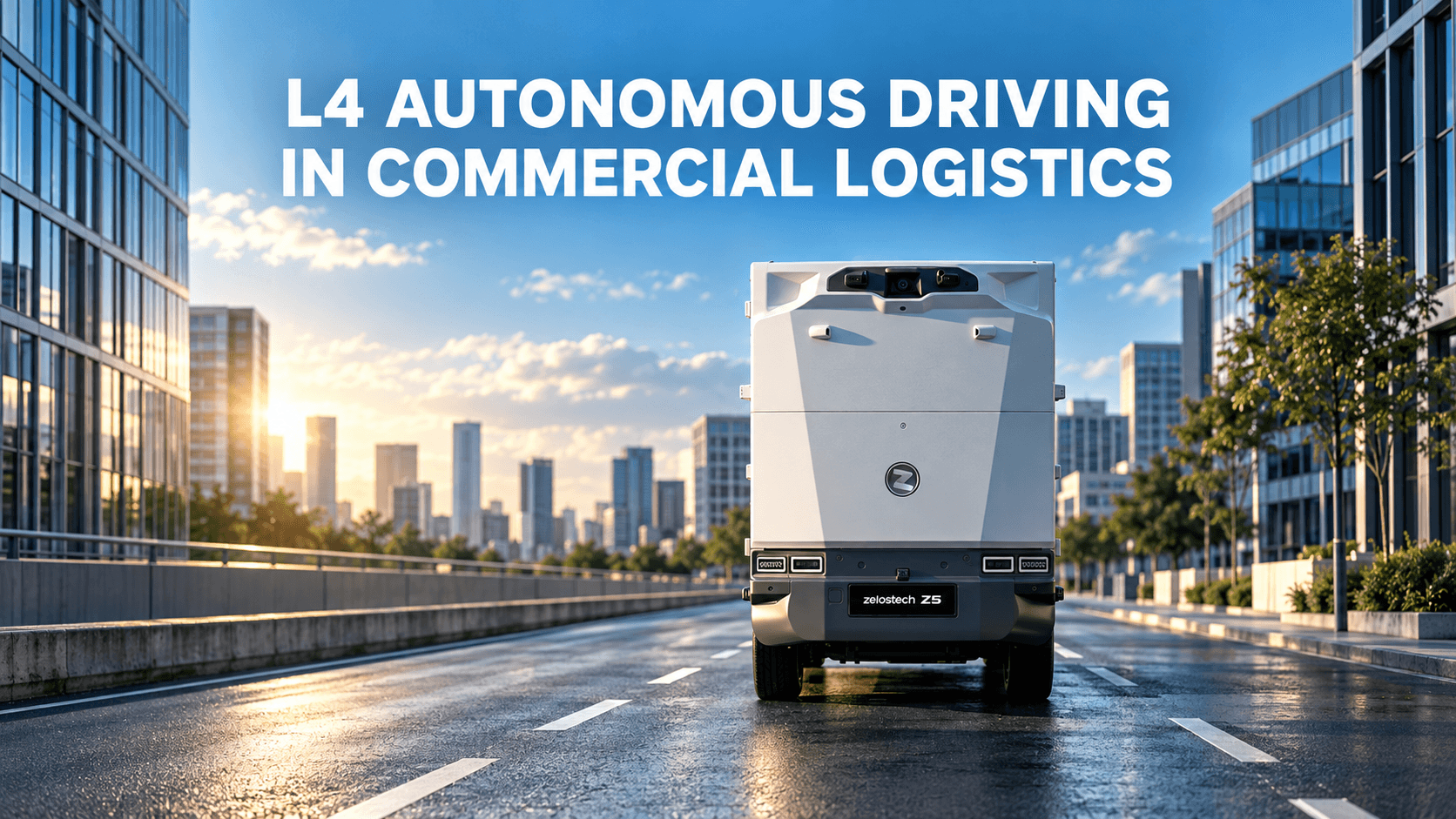
As logistics operators look for ways to improve fleet utilization and manage operational costs, L4 autonomous driving is becoming increasingly relevant for structured transportation tasks.
Level 4 autonomous vehicles can perform the driving task independently within defined operating conditions, making them well suited to logistics operations with established routes, cargo requirements, and workflows.
Why L4 Autonomous Driving Fits Commercial Logistics
Many commercial logistics operations already follow repeatable patterns.
Distribution centers transfer goods along scheduled routes. Warehouses move inventory between facilities. Industrial sites require regular transportation between production, storage, and distribution areas.
These environments create opportunities for autonomous logistics vehicles because the transportation task can be clearly defined and integrated into existing workflows.
For logistics operators, deployment depends on more than autonomous driving capability. Vehicle design, cargo capacity, route planning, remote supervision, fleet management, and regulatory requirements all influence whether an autonomous vehicle can deliver operational value.
This is why purpose-built autonomous logistics vehicles are gaining attention. They are designed around commercial transportation needs rather than general passenger mobility.
Zelostech RoboVans for Commercial Logistics Operations
Zelostech is a Singapore-based global company specializing in RoboVan solutions for commercial logistics.
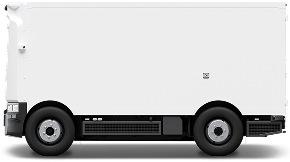
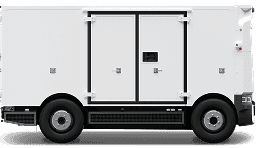
The company develops autonomous logistics vehicles designed for real-world applications, including retail replenishment, warehouse transfer, industrial park logistics, airport operations, port logistics, pharmaceutical delivery, and other specialized transportation scenarios.
Through its RoboVan solutions, Zelostech combines autonomous driving technology with vehicle platforms designed around logistics requirements such as cargo transportation, route consistency, and operational efficiency.
Unlike passenger autonomous vehicles designed for general mobility, RoboVans are developed for repeat commercial transportation tasks where businesses need reliable and scalable operations.
Zelostech develops its vehicle platforms and autonomous driving systems in-house. Its L4 autonomous driving technology is designed to support commercial deployment across different logistics environments.
The company’s map-free L4 autonomous driving architecture reduces reliance on traditional HD map deployment while supporting flexible operations across different logistics scenarios.
Singapore: From Autonomous Vehicle Development to Commercial Operations
Singapore has become an important market for autonomous logistics deployment, with a regulatory framework supporting the transition from testing to commercial operation.
Zelostech has progressed from autonomous vehicle development and road testing into real logistics applications in Singapore.
The company’s Z5 RoboVan completed Singapore’s M1 autonomous vehicle testing process in May 2024 and later obtained public-road testing approval. The Z10 RoboVan subsequently entered public-road trials as part of its commercial deployment process.
In October 2025, Zelostech received approval from Singapore’s Land Transport Authority (LTA) to operate remotely supervised driverless vehicles for supply-chain logistics, becoming the first autonomous logistics company to receive this approval in Singapore.
This milestone marked a transition from controlled trials toward practical logistics operations, showing how autonomous vehicles can be integrated into existing supply-chain workflows.
FairPrice: A Real-World L4 Autonomous Logistics Deployment
Zelostech’s collaboration with FairPrice provides a practical example of how Level 4 autonomous vehicles can support commercial freight transportation.
FairPrice uses Zelostech Z10 RoboVans for transportation within and between its distribution centers in Benoi, Joo Koon, and Sunview Road. The vehicles support recurring freight movements, transporting palletized goods as part of existing supply-chain operations.
The Z10 configuration used in the deployment supports up to 1.5 tonnes of payload and up to 210 km of range. The routes cover transportation distances of up to approximately 5.5 km between logistics facilities.
FairPrice reported that the autonomous vehicles were completing more than 100 trips per week, with plans to expand the autonomous fleet.
The deployment represents one of the most practical applications of L4 autonomy in logistics: automating frequent transportation tasks where reliability, route consistency, and operational efficiency are critical.
Where Level 4 Autonomous Vehicles Are Used in Logistics
The strongest use cases for autonomous logistics vehicles are environments where transportation processes are structured and repeatable.
Retail logistics is one example. Autonomous vehicles can support scheduled replenishment between distribution centers and retail facilities, helping operators manage recurring freight movements.
Warehouse and industrial environments provide another opportunity. Vehicles can transport goods between buildings, production areas, and storage facilities where routes and workflows are clearly defined.
Airports and ports are also suitable environments because cargo movements often follow established operational processes.
Zelostech’s Applications cover commercial scenarios including retail replenishment, intralogistics, industrial park logistics, airport logistics, port logistics, pharmaceutical delivery, healthcare logistics, and fresh-food transportation.
Across these environments, autonomous vehicles create value when they become part of existing logistics operations rather than standalone technology demonstrations.
Commercial RoboVan Applications Beyond Singapore
Zelostech continues to expand RoboVan applications across different logistics environments.
At Changi Airport Free Trade Zone, Zelostech and Eevie have initiated a RoboVan deployment focused on airport logistics operations, exploring autonomous transportation for specialized cargo workflows.
The company has also expanded collaborations with logistics partners to explore additional autonomous transportation scenarios, including warehouse operations and commercial freight applications.
These deployments demonstrate how RoboVans can support different logistics requirements, from scheduled facility transfers to specialized cargo transportation.
Considerations Before Deploying L4 Autonomous Vehicles
For logistics operators evaluating L4 autonomous vehicles, the starting point should be the transportation task itself.
Routes with predictable conditions are often suitable for initial deployment because operators can measure performance, utilization, and operational impact more effectively.
Cargo requirements also influence vehicle selection. Payload capacity, loading procedures, delivery frequency, and operating schedules determine whether a vehicle matches the logistics workflow.
Integration with existing fleet operations is equally important. Autonomous vehicles need to work with dispatching systems, maintenance processes, remote supervision, and logistics management platforms.
Regulatory requirements must also be considered. Commercial deployments require coordination between technology providers, operators, and local authorities to ensure safe and compliant operations.
L4 Autonomous Driving and the Future of Commercial Logistics
L4 autonomous driving is moving from technology development toward practical commercial applications.
The strongest opportunities are found in repeatable logistics tasks, including distribution center transfers, retail replenishment, warehouse transportation, airport logistics, port operations, and specialized delivery routes.
Zelostech’s RoboVan deployments show how autonomous driving technology can support real commercial workflows. From FairPrice distribution center transportation in Singapore to airport and industrial applications, RoboVans are being integrated into logistics operations where efficiency and reliability matter.
For logistics operators, the value of autonomous transportation comes from identifying the right routes, environments, and workflows for automation.
Applied to the right routes and workflows, L4 autonomous vehicles can improve transport efficiency, increase fleet utilization, reduce dependence on manual driving, and support more scalable logistics operations.