Can Logistics Workflow Automation Keep Deliveries Moving When Plans Change?
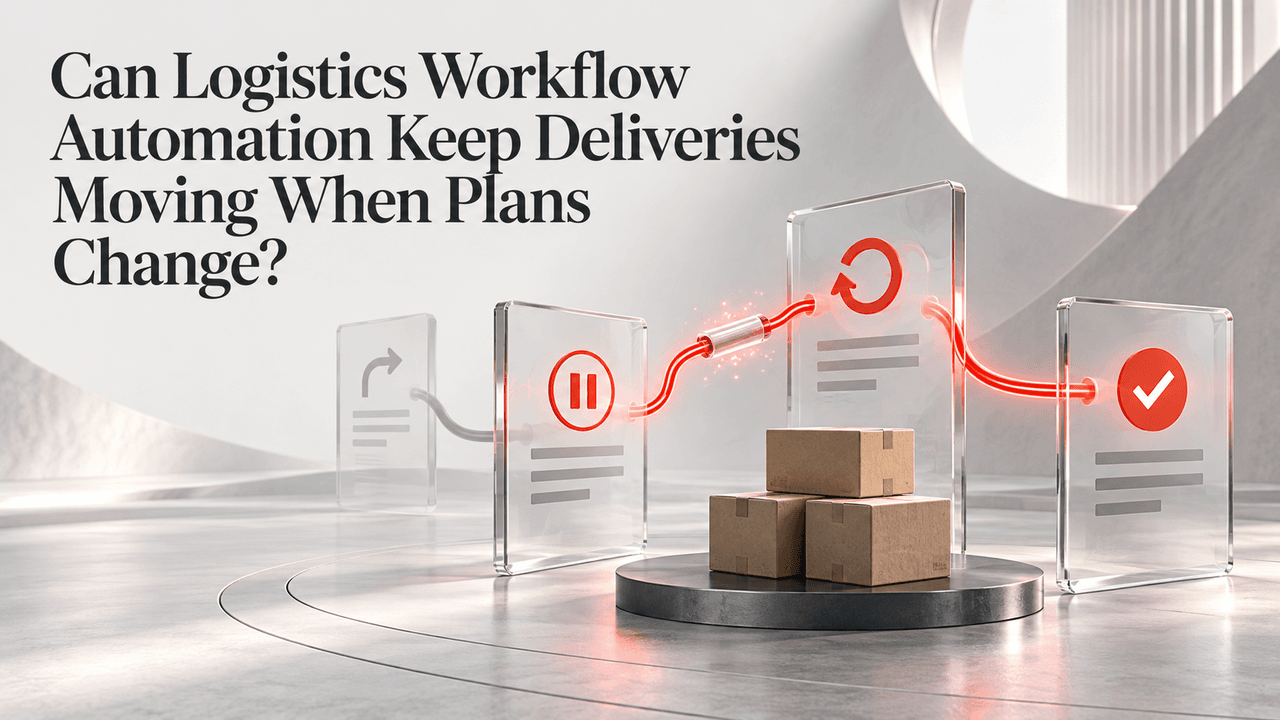
The vehicle is ready, the receiving warehouse expects a delivery, and dispatch has released the task. Then the loading team discovers that part of the shipment is missing. Sending the vehicle away protects the departure time but may leave the receiver with an unusable load. Waiting without updating the plan can disrupt the next transfer.
Logistics workflow automation earns its place in these moments. It should connect the changed condition with a responsible person, an authorised action and a clear way to resume work. Simply generating another notification leaves the decision unresolved.
Consider a warehouse transfer between two facilities. The following operating design is illustrative, rather than a description of any supplier's software. It follows the shipment through four common exceptions and asks what must be true before transport continues.
Start with one transport task and an agreed status
Give the movement a unique task reference linked to the shipment, origin, destination and intended collection window. Picking, loading, departure and receipt should remain distinguishable events. A shipment marked ready for collection may still need a physical count and loading confirmation before the vehicle can leave.
For warehouse transfer, the warehouse owns preparation and custody checks; dispatch owns the transport assignment; the receiving team confirms whether it can accept the goods. A named operations lead resolves conflicts between those responsibilities. This avoids a situation where everyone can see the delay but nobody can approve the next step.
Logistics automation systems also need to distinguish an instruction from its acknowledgement. A cancellation request is not confirmation that a vehicle has stopped carrying out a task. Similarly, a new destination is only a proposal until the relevant operator accepts it and confirms that the movement is permissible.
Preserve the previous status when recording a change. Dispatch needs to know whether the goods are still on the loading floor, secured aboard a stationary vehicle or already in transit. The same customer request requires different actions at each point.
Use an exception matrix to make recovery explicit
Trigger | Decision owner | Immediate action | Resume when | Keep in the record |
Goods incomplete at loading | Warehouse lead with dispatch | Hold departure; check missing items | Full load confirmed or revised shipment approved | Missing items, new quantity, approval, revised time |
Order cancelled | Check task and cargo status; request cancellation | Cancellation acknowledged and cargo destination settled | Request time, acknowledgement, custody decision | |
Receiving point unavailable | Receiving lead with dispatch | Confirm delay; assess approved waiting or recovery | Receiver accepts a slot or an authorised alternative is agreed | Closure notice, location, decision, updated arrival |
Duplicate dispatch request | Dispatch lead | Block the second assignment; inspect the original | One active task and vehicle assignment are confirmed | Task references, duplicate event, resolution |
Follow the changes through a single journey
At the origin, the loading lead finds two cartons missing. The task enters a preparation hold. Dispatch checks the receiving window before accepting a later departure. If the customer agrees to a partial shipment, the warehouse updates the manifest and identifies the outstanding goods separately. An unchanged manifest would leave the receiver expecting cartons that never travelled.
Now suppose the order owner requests cancellation while the revised load is being secured. Dispatch checks whether departure has been acknowledged. If the vehicle remains at origin, the loading team can follow the agreed unloading procedure. If it has departed, the operator must arrange a permitted recovery movement or handover. Deleting the order cannot remove the physical goods from the vehicle.
After a cancellation is withdrawn and a revised movement approved, the receiving point reports a temporary closure. The receiving lead provides an updated acceptance time. Dispatch compares the delay with the vehicle's next task, available waiting location and operating constraints. A customer-service message promising a new delivery time should follow that decision, rather than precede it.
Finally, a delayed message causes the original dispatch request to arrive again. The integration should recognise the existing task reference and avoid creating a second transport assignment. This behaviour is often called idempotency: repeating the request has no additional operational effect. A genuinely new movement needs its own reference, rather than silently reusing the cancelled one.
Each exception changes what happens next. Missing cartons affect the departure time; a later departure can disrupt the receiving slot; resubmitted instructions can create a second assignment. Effective workflow automation keeps those changes connected rather than treating each alert as a separate event.
Keep business changes separate from driving decisions
An exception workflow can place a task on hold, request a revised destination or escalate an unresolved issue. The vehicle and its approved operating procedures determine how any movement is executed safely. A receiving-point closure is not permission to stop immediately wherever the vehicle happens to be.
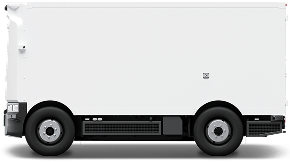
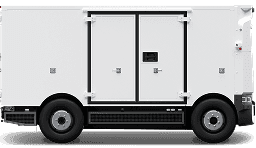
Mixed-traffic warehouse transport makes this division of responsibility especially concrete. Under the August 2026 F&N deployment agreement, F&N will use Z10 RoboVans for cargo movements in Singapore warehouse environments. Zelostech, the Singapore-based vehicle provider, describes a planned deployment. In such an operation, a change to a cargo request must reach the people preparing and receiving the load as well as the transport operator; the agreement does not document how those business systems handle exceptions.
When communications are delayed, show the last confirmed status and the pending request separately. Avoid presenting an assumed cancellation as completed. Staff also need a fallback contact method and a procedure for reconciling records after communications recover, especially when cargo has changed hands during the interruption.
Record who decided, what they knew and when the instruction was acknowledged. These details help explain why a vehicle waited or why the original delivery promise changed. They also let the next shift continue the work without reconstructing the event from separate phone calls.
Rehearse the handover before expanding the service
For an operator considering the Z10 RoboVan, a useful acceptance exercise is to rehearse the four exceptions before expanding the service. Make a load unavailable, withdraw a transport request, close the planned receiving point and repeat a dispatch message. Observe whether staff can establish cargo location, retain one valid assignment and recover without contradictory instructions.
The exercise should involve warehouse personnel and receivers as well as the vehicle provider. A successful drive cannot demonstrate that an order cancellation reaches the loading team or that a replacement slot appears in the receiving plan. Those connections need to be agreed and verified in the specific integration.
Give each participant a specific recovery decision. The warehouse confirms whether the revised load is ready; the receiver accepts a new slot; dispatch confirms which assignment remains active. Close the exercise only when the vehicle task, manifest and receiving plan agree. Any cancellation interface or rerouting function used in the exercise must be verified in the proposed integration.
Measure recovery through completed handovers
Track the time between an exception and an acknowledged decision, the proportion of tasks recovered within the revised window, and unresolved cargo or status discrepancies. Review repeated causes separately: frequent preparation holds may require a warehouse change, while duplicate tasks may indicate an integration fault.
Logistics automation technology supports continuity when each exception has a controlled exit. The delivery is complete when the right goods reach an accepting receiver and the records agree with that handover. A green vehicle status alone cannot establish that outcome.