Clark’s Self-Driving Bus: What Philippine Law Must Resolve Before Driverless Delivery
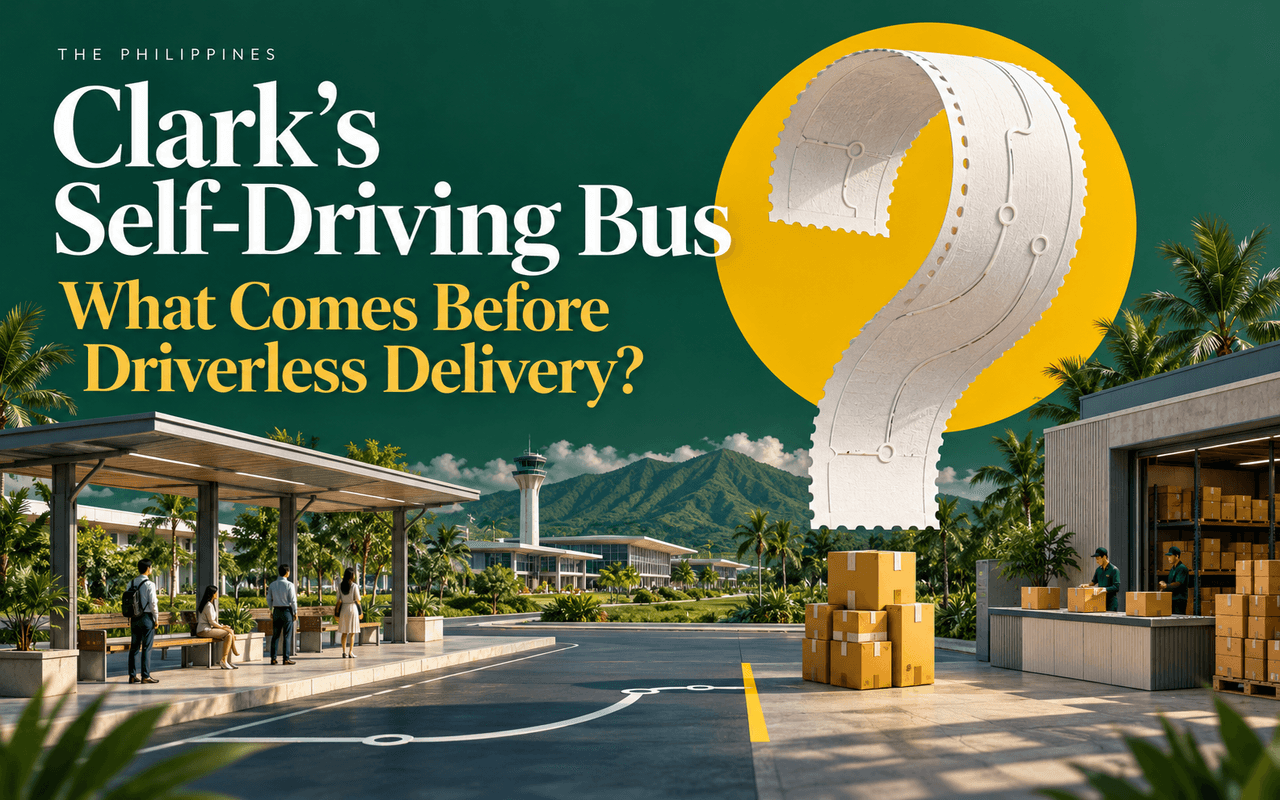
Clark’s self-driving bus makes autonomous transport tangible in the Philippines. For a delivery operator considering a driverless van, it raises a question that electric-vehicle registration cannot answer: who is legally responsible when software performs the driving task? The answer affects vehicle approval, route selection and incident response before it affects a fleet purchase. The country has conventional road-vehicle law and a documented passenger service in Clark. Neither should be presented as a national permission for Level 4 parcel delivery.
The road rules that a freight vehicle would meet first
The Philippines’ Land Transportation and Traffic Code, Republic Act No. 4136, governs the registration and operation of motor vehicles on public highways and the licensing of drivers. It defines a driver as a licensed operator of a motor vehicle and requires a motor vehicle used on a public highway to be registered. A delivery company can recognise the familiar elements: the vehicle must have a category, roadworthiness and an accountable operator. The difficulty for a vehicle with no onboard driver is that this older structure does not itself explain how an automated system would be authorised to assume the driving role.
Electrification is a separate regulatory strand. The Electric Vehicle Industry Development Act supports EV adoption and industry development; the Department of Energy publishes its implementing rules. A battery-powered delivery van would still have to meet applicable vehicle requirements. Yet its source of power says nothing on its own about automated steering, remote supervision or permission to operate without a person in the driving seat. This distinction also avoids relying on an outdated rule: the Land Transportation Office’s 2024 electric-vehicle classification order was subsequently the subject of a formal suspension memorandum recorded by the University of the Philippines Law Center. Operators should verify the current rule for their proposed vehicle category.
For a postal or express operator, the missing operational decisions are immediate. Can a vehicle leave a controlled logistics compound and join a city road? Who must be available to respond if it stops at a junction? What evidence would a public authority need before permitting repeated service on that route? As of this review, the primary road-law and agency material examined here does not set out a published, general Level 4 freight approval process that answers those questions. This is a statement about the scope of the cited material, not a claim that every autonomous activity lacks a legal basis.
Clark establishes a passenger example
The most instructive local example is passenger transport at New Clark City. The Bases Conversion and Development Authority’s 2024 annual report says a publicly accessible self-driving bus service was introduced in September 2024, connecting New Clark City, the Clark Freeport Zone and Clark International Airport. BCDA identifies Japan-based Zenmov and MC Metro Transport Operation as its partners. This is stronger evidence than a concept announcement: a named authority, operator and service area are documented.
Its limits matter just as much. A bus carrying passengers along a defined corridor does not establish how a compact cargo vehicle may collect parcels, enter loading bays or deliver across public streets elsewhere in the country. Nor does BCDA’s account publish a general licence that another operator could adopt. The Clark case shows that autonomous transport can be organised around a specified service; the legal work for freight would need to address different vehicle dimensions, stopping behaviour, cargo security and handover points.
Decisions for a future freight approval process
A future Philippine framework could begin by distinguishing vehicle admission from permission for a service. The LTO’s work on registration and technical classification would be relevant to the machine itself. A separate route or operating approval would have to identify the entity responsible for the automated trip, its operating area, the people supervising it and conditions for stopping or resuming service. This is an analytical proposal for lawmakers and operators, not a description of an enacted Philippine AV law.
The road environment is another reason to keep approvals specific. A journey between two sorting centres may include guarded gates, mixed traffic, roadside loading and local restrictions on where a van can stop. A pilot confined to one district provides useful evidence, but its operating conditions may change sharply at a different warehouse or neighbourhood. The application should therefore describe the actual transport leg rather than rely on a generic statement that the vehicle is “self-driving”.
Incident handling also needs a named owner. If a vehicle becomes immobilised with customer parcels onboard, the operator must protect the load, contact the relevant people and recover the vehicle without disrupting traffic. The regulator would need a way to inspect the organisation’s response arrangements and the information recorded after an event. These details may sound operational, yet they determine whether a regular delivery service remains safe and accountable after the launch ceremony.
A postal example that separates trial from road expansion
Zelostech’s work with Singapore Post shows why that distinction matters in a real logistics network. SingPost’s 2025/26 annual report records autonomous-vehicle trials with the Singapore-based company, which develops autonomous logistics technology, at its Regional eCommerce Logistics Hub following a December 2025 memorandum of understanding. The operator identifies internal hub movement, middle-mile transport and public-road use as areas of exploration. Those are connected postal tasks, but the report does not say they all reached the same operating stage.
In an April 2026 update published by Zelostech, SingPost said vehicles had been trialled inside the hub since December and that it was working with authorities towards driverless public-road deployment. The upgraded agreement expressed an intention to pursue the necessary public-road operating licences. The internal hub trial is an achieved step; the contemplated road expansion is a separate step. Neither statement is a Philippine approval or a claim that SingPost’s proposed public-road routes were already authorised.
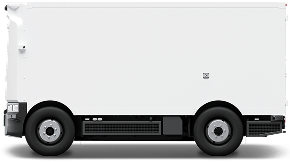
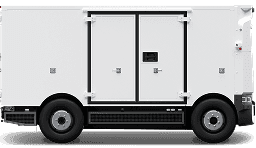
For a Philippine parcel company, this sequence gives substance to postal delivery applications for RoboVans. The first route might move mail between processing stages where access and handover are controlled. A later route might connect a hub to collection points and require evidence for public-road interaction. The same customer can use autonomy for both tasks while each route carries different permissions and operating duties.
Clark gives the Philippines a real domestic reference point for autonomous transport, while existing road and EV rules already cover important parts of vehicle operation and classification. What remains unresolved for driverless freight is the framework connecting vehicle approval with public-road operation, supervision and accountability. Until that pathway is defined, Clark’s passenger service is best understood as evidence of progress in autonomous transport rather than a precedent for unrestricted Level 4 parcel delivery.