Making the Return Trip Count with Reverse Logistics

A delivery vehicle has finished replenishing a store and is heading back to the warehouse. There is spare space aboard, and the store has goods waiting to return. Combining the movements sounds straightforward. Yet the collection can fail before departure if the returns have no reference, their condition is unclear or nobody at the warehouse expects them.
Reverse logistics works when the return is treated as a planned consignment. The transport team needs to know what it is collecting and where custody transfers. The warehouse needs enough information to receive it. The business needs a separate decision about credit, resale, repair or another disposition.
For retail operators, the useful question is whether the return journey can carry an additional task without disrupting the delivery schedule or losing control of the goods. The answer begins at the store, well before a vehicle arrives.
A return request should describe a collectable load
The store should create a return reference linked to the relevant order, stock record or supplier agreement. Record the item identifiers, quantities, reason for return, packaging and any known damage. Where serial or batch identifiers matter, keep them with the request rather than relying on a general description such as unwanted stock.
Authorising collection should remain distinct from accepting a refund or supplier credit. A retailer may need physical inspection before deciding whether the goods qualify. Transport staff should not have to resolve that commercial question while loading, and a collection scan should not automatically imply that the item is fit for resale.
In retail replenishment, the outbound delivery and the return collection may share a vehicle but should retain separate consignment records. The delivery can be complete while the collection is held. That distinction prevents an unresolved return from obscuring the status of goods already delivered successfully.
Set a preparation deadline relative to the pickup window. The store should confirm that goods are identified, packed and accessible before dispatch allocates capacity. An estimated return quantity from yesterday is a weak basis for reserving today's cargo space.
Sort by handling needs before grouping by destination
Separate unopened stock, damaged goods and items awaiting investigation. Each group may require a different receiving location or handling procedure, even when all are returning to the same warehouse. Use physical labels and the shipment record together so the receiving team can recognise the intended category.
Check whether the return is suitable for the planned vehicle and for any other goods aboard. Leaking packages, damaged batteries or temperature-sensitive items need specific handling decisions; they should not enter an ordinary backhaul simply because there is room. This article's example concerns packaged, non-hazardous retail goods that have been cleared for the proposed transport.
Consolidation should make the load easier to identify. A sealed tote can contain several items, but its identifier should connect to the contents list. Otherwise, a single tote count at pickup can conceal missing individual items until the warehouse opens it hours later.
Choose between a backhaul and a dedicated collection
Use the return leg when the goods are ready, the timing fits and the warehouse can receive the load without disrupting the rest of the route.
A backhaul is attractive when collection is ready at the delivery stop, capacity remains available and the warehouse can receive the return at the resulting arrival time. Account for loading and checks as well as driving. A route that saves kilometres can still lose its advantage if the vehicle waits while store staff locate unprepared goods.
A dedicated pickup gives the return its own schedule and vehicle allocation. It may suit a large load, urgent collection or goods requiring a different receiving process. Compare the extra journey with the effect that a backhaul would have on later deliveries and vehicle availability. Neither arrangement should be selected solely by looking at unused space.
Imagine a replenishment vehicle returning through two stores. The first has three labelled totes ready within its delivery window; the second has an unconfirmed quantity still awaiting inspection. Collecting the first store's totes may fit the route. Leaving the second request open for a later pickup protects the schedule and avoids turning uncertain stock into an undocumented load. This is an illustrative planning example.
Follow the return into the warehouse
The reverse logistics process flow below separates physical movement from the later stock decision. The warehouse can acknowledge custody while keeping the goods unavailable for sale pending inspection.
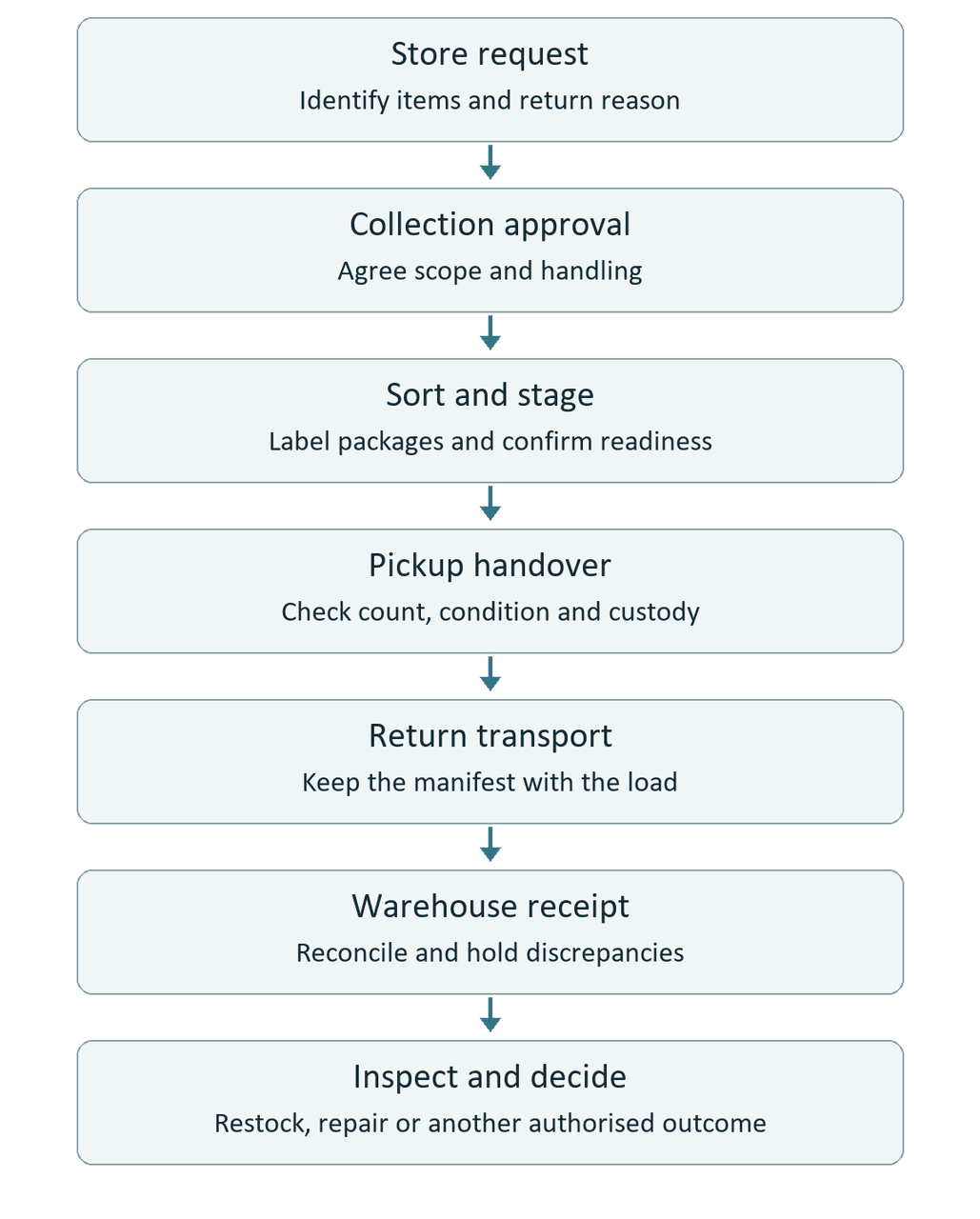
At loading, the store and collecting team confirm the return reference, package count, visible condition and custody transfer. Record any difference before departure. A damaged outer carton may be acceptable for an agreed collection, but the receiving team should know whether the damage was already present at pickup.
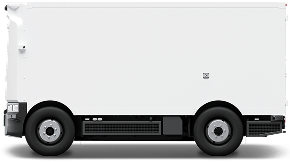
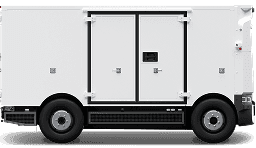
Reverse pickup is already an identified vehicle application: Zelostech lists it alongside multipoint delivery and shuttle operations in its company overview. For the Singapore-based company, this establishes a transport use for the Z5, rather than a complete retail returns service. The distinction matters at the warehouse door, where accepting a consignment and deciding what happens to its contents are separate events.
An operator assessing the Z5 RoboVan would assign it the movement of an identified consignment over a suitable, authorised route. Store preparation, loading checks, receiving inspection and disposition still need assigned people or separately validated equipment. A vehicle that can collect returns does not, by itself, connect a retailer's return authorisation, inventory and refund systems.
On arrival, the warehouse should reconcile the manifest with what it actually receives. Record shortages, unexpected items or damaged seals against the return reference. Place unresolved goods in the designated holding area rather than adding them to available stock simply because the transport task has closed.
The inspection team determines condition and the authorised business owner decides the next disposition. Customer service or finance then handles any associated credit according to the retailer's policy. These responsibilities can sit within one organisation, but separating the events prevents a transport confirmation from making a commercial decision it cannot support.
Resolve exceptions without losing the original reference
An unlabelled item should enter an exception process with an owner who can identify it. If the receiver rejects a consignment, dispatch needs an agreed holding or recovery arrangement and confirmation of who retains custody. Sending it back again without a decision merely creates another movement and another opportunity for records to diverge.
Test the return cycle with a quantity discrepancy as well as a complete load. The store should be able to identify what was handed over, and the warehouse should record what arrived under the same reference. This gives the transport operator a defined responsibility without making that operator responsible for an inspection or refund decision.
For reverse logistics in e-commerce, a store may also receive online purchases for return. Keep the customer's return authorisation connected to the store's consolidated transport manifest. Combining parcels for movement should not combine unrelated refund decisions or erase item-level identifiers.
Review reverse logistics procedures using collection readiness, discrepancies at receipt, time awaiting inspection and avoidable repeat movements. These measures reveal whether the bottleneck is at the store, during transport or after arrival. A fast pickup has limited value if the return then sits unidentified in the warehouse.
Well-organised reverse logistics for retail returns gives spare vehicle capacity a clear purpose. The return leg becomes useful when the goods are ready, their custody is traceable and the warehouse can take the next action. Each successful collection should close a transport task while preserving the information needed to resolve the return itself.