Why 6 km/h and 25 mph Mean Different Things in Autonomous Delivery
 A distribution centre wants to automate a two-kilometre warehouse transfer. One proposal uses a small robot on a public footpath; another uses a cargo vehicle on local roads. Both may be called “low-speed autonomous delivery”, yet that description tells the planner almost nothing about the lawful speed. The answer depends on the vehicle category, the space it enters and, sometimes, the conditions attached to one named operation.
Speed figures are particularly easy to misuse in cross-border proposals. A ceiling on a robot’s design speed is different from a limit while it travels through a pedestrian area. A road’s posted speed is different again. None of these figures, on its own, authorises driverless operation. The most useful comparison starts by asking what the number controls.
Japan: walking pace defines a small-robot category
Japan’s amended Road Traffic Act, in force since April 2023, established rules for remotely operated small vehicles. Qualifying machines must meet specified size and equipment conditions and be constructed so they cannot travel above 6 km/h. Police guidance places them under pedestrian-style traffic rules, including use of footways or roadside strips and requirements to give way to pedestrians. Before beginning remote operation on public roads, the user must notify the public safety commission responsible for the area.
That 6 km/h figure is a threshold for a specific class, rather than a national speed cap for every automated delivery vehicle. A larger machine capable of a higher speed cannot claim the same pedestrian treatment by programming a slower setting for one journey. Japan’s Ministry of Economy, Trade and Industry has discussed more capable, medium-speed delivery robots. Its 2025 report expressly distinguished that policy work from permission to operate the displayed vehicles on public roads. For an operator, the first question is whether the proposed machine fits the existing category at all.
Singapore: an individual footpath order can set its own limit
Singapore presents a different legal structure. The Land Transport Authority says autonomous mobile robots and autonomous vehicles are treated as motor vehicles under the Active Mobility Act and are generally barred from public paths. A company seeking to use one there needs an exemption, with conditions set for that activity. The path’s ordinary speed rule for bicycles or other active-mobility devices does not itself turn a delivery robot into a permitted path user.
A 2026 exemption order for Delta Electronics’ AIDEN delivery robot shows how specific those conditions can be. It covers identified footpaths within a defined Bendemeer Road area, for stated purposes, from 16 June 2026 to 31 July 2027. Before the robot moves, the authorised person must ensure it is programmed not to exceed 6 km/h. The order also addresses lights, human intervention and insurance. This is a named exemption for AIDEN, not a 6 km/h rule granting every company access to Singapore’s footpaths.
Pennsylvania: one device, two operating speeds
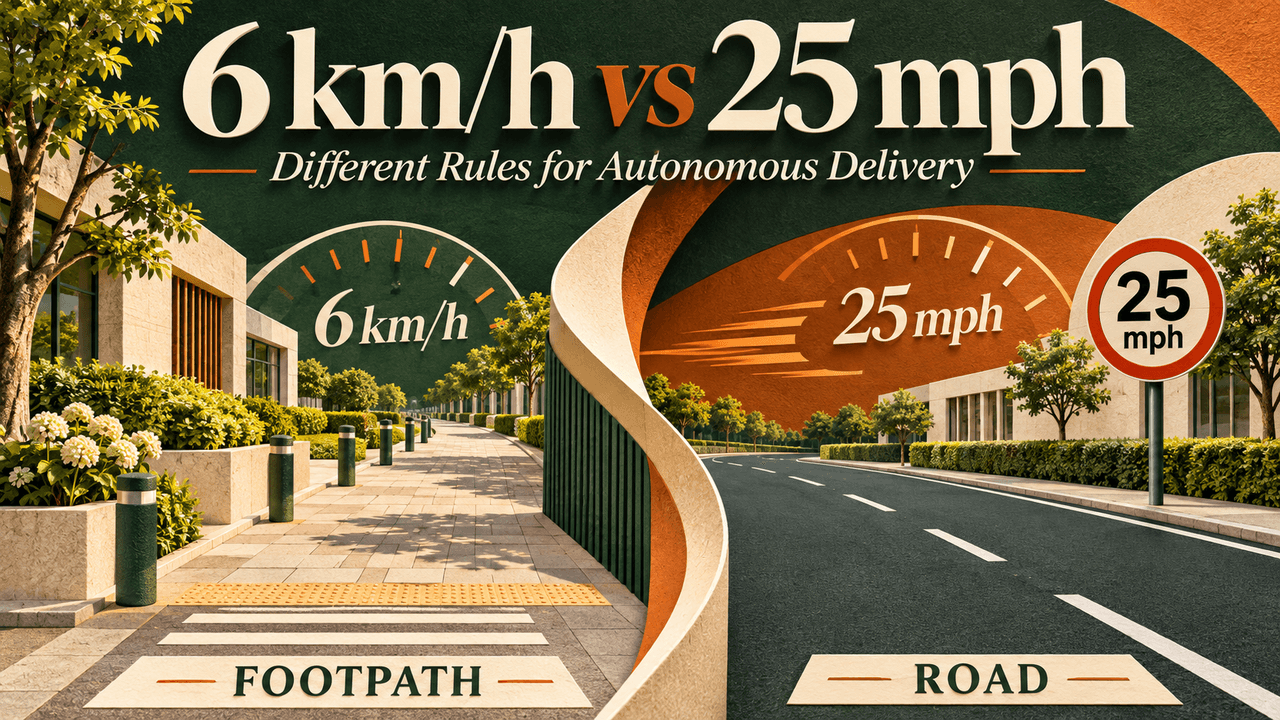
Pennsylvania’s personal-delivery-device law draws its line by surface. An authorised device may travel at no more than 12 mph in a pedestrian area and no more than 25 mph on a roadway, shoulder or berm. Road access is narrower than that second figure suggests: the statute generally excludes roads posted above 25 mph, subject to specific state or municipal permissions for roads posted above 25 but no higher than 35 mph. Interstate highways and freeways remain off limits to the device.
The operator also has to follow the state’s authorisation and operational-phase requirements. On a route with a usable shoulder, the law directs the device there as far as practicable; it then specifies alternatives where a shoulder or pedestrian area is unavailable or impracticable. A permitted maximum speed does not mean the device should travel at that speed around a school entrance or crowded crossing. It means the business must design both its speed control and its path selection around the actual section of the route.
A US “low-speed vehicle” is a different legal object
US federal motor-vehicle rules use low-speed vehicle for a separate classification. Under 49 CFR 571.3, an LSV is a four-wheeled motor vehicle with a speed attainable over one mile of more than 20 mph but no more than 25 mph on a paved level surface, and a gross vehicle weight rating below 3,000 pounds. Federal Motor Vehicle Safety Standard No. 500 then sets equipment and maximum-speed requirements for that vehicle class. The classification does not itself provide permission for autonomous operation or create a sidewalk-delivery-robot regime.
The similarity between Pennsylvania’s 25 mph roadway ceiling for a personal delivery device and the federal 25 mph top end for a low-speed vehicle is coincidental in regulatory terms. The first limits operation of a state-defined cargo device on certain surfaces. The second helps determine which federal motor-vehicle standard applies to a qualifying vehicle. A fleet specification must establish its own category before either number becomes relevant.
Make the route calculation before comparing products
Consider the original two-kilometre transfer. At a constant 6 km/h, travel alone takes 20 minutes. Waiting at crossings, slowing for pedestrians and collecting a stopped machine all add time. A faster permitted vehicle may reduce moving time, but only if its category and approved route allow it to reach both loading points. A short footpath shortcut cannot be added to a road-vehicle plan merely because the vehicle can travel slowly.
That distinction matters in warehouse transfer, where the decisive measure is often whether goods arrive in time for the next handling cycle. A speed proposal should therefore show the vehicle’s design limit, its programmed operating limit, every posted road limit, the route segment where each applies and the handover time at both ends. These are separate entries in an operating plan, not one headline “top speed”.
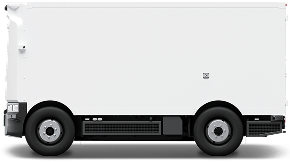
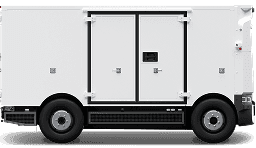
Zelostech’s Z10 RoboVan shows why vehicle category comes before a speed comparison. FairPrice Group uses it to move palletised goods between Singapore distribution centres; Zelostech reported a transition from supervised public-road trials in 2024 to remotely supervised freight operations in 2025. This is road freight on defined routes. Japan’s 6 km/h small-robot rule and Singapore’s AIDEN footpath exemption do not set the Z10’s permitted speed, while its Singapore operating arrangement grants no road entitlement elsewhere.
For cross-border planning, record three answers before promising a service time: what the machine legally is, where it may operate and which speed constraint applies on each segment. A top-speed figure becomes commercially useful only when the route, vehicle category and permission behind it are equally clear.