Beyond Passenger Cars: Zelostech Calls for Global Collaboration to Accelerate Autonomous Logistics at ESCAP Regional Conference
Bangkok, September 9, 2026 — Autonomous vehicles are moving beyond testing grounds and into real-world operations across Asia and the Pacific. While passenger applications such as robotaxis continue to attract significant attention, another form of autonomous mobility is already demonstrating its potential in everyday operations: autonomous logistics vehicles, or RoboVans.
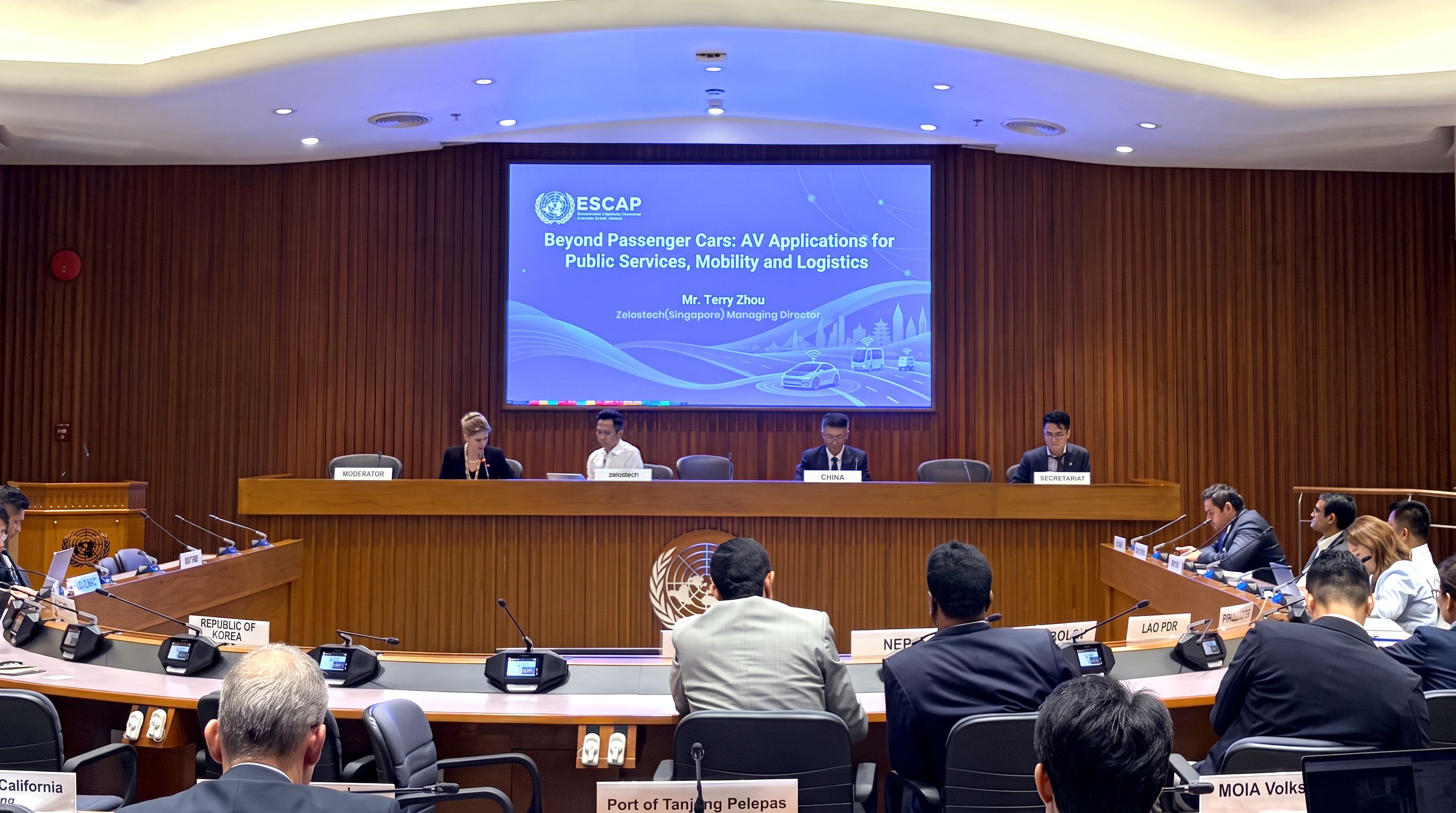
At the ESCAP Regional Conference on Autonomous Vehicles in Asia and the Pacific, Zelostech, as a representative of the global RoboVan industry, delivered a keynote presentation on the real-world applications and commercialization of autonomous logistics. Representatives from Zelostech shared their experience in bringing RoboVans from pilot projects to commercial deployment while highlighting the importance of international collaboration, knowledge sharing, and public-private partnerships in accelerating the adoption of autonomous mobility.
From Autonomous Technology to Real-World Logistics
Logistics provides one of the most practical pathways for autonomous driving technology to enter commercial operations. Compared with many passenger mobility scenarios, logistics operations can involve more structured routes, repeatable workflows, and measurable performance indicators. These characteristics allow autonomous systems to be tested, validated, and continuously improved against real operational requirements, while providing a clear pathway from pilot projects to scalable commercial fleets. Zelostech has built its business around this opportunity. Today, we have more than 30,000 autonomous vehicles operating across 350+ cities, supported by in-house development of autonomous driving software and vehicles, mass-production capabilities and a global service network.
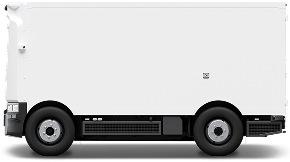
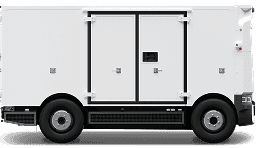
Our product portfolio covers a broad range of logistics requirements, from urban delivery and cold-chain transportation to larger freight applications. The Z5, Z10 RoboVans and Z20 RoboTruck are designed to serve different payload, range, and cargo-volume requirements, while the company's autonomous vehicle platform is also being extended to applications such as meal delivery, road maintenance, water sprinkling, vending and power inspection.
Building Autonomous Logistics Across Markets
As autonomous logistics moves toward wider adoption, Zelostech believes that successful deployment cannot be achieved through technology alone. Every country and region has its own regulatory framework, infrastructure, logistics networks and operating conditions. Turning an autonomous vehicle into a commercially viable solution therefore requires close coordination between technology providers, governments, regulators, businesses and local partners.
Zelostech is already working across markets to establish the local frameworks needed for deployment. In Southeast Asia and the Middle East, the company has established partnerships and initiated projects with organizations including Singapore Post, POS Malaysia and Emirates Post, while also exploring autonomous logistics applications in international airport environments. These projects span postal delivery, distribution-center transportation, and airport logistics, demonstrating how autonomous vehicles can be integrated into different operational environments.
In Singapore, for example, Zelostech RoboVans are being used by FairPrice Group and DHL to transport goods between distribution centers. The application is designed to reduce the time spent on manual transportation tasks while improving supply-chain efficiency and supporting more sustainable operations. These real-world deployments are also generating practical insights into safety, operations, infrastructure and regulatory requirements, helping inform future autonomous mobility development in other markets.

Collaboration Is the Key to Scaling Autonomy
This is why Zelostech sees international cooperation, knowledge sharing, and public-private partnerships as essential to the next stage of autonomous mobility. Technology developers can provide autonomous driving capabilities and real-world deployment experience. Governments and regulators establish the frameworks that enable safe and responsible adoption. Businesses bring concrete operational needs and use cases. Research institutions contribute technical expertise and independent analysis. Bringing these perspectives together can help countries better understand both the opportunities and the challenges associated with autonomous vehicles.
For emerging markets in particular, sharing experience across borders can help reduce duplicated efforts, accelerate learning, and support the development of regulatory and operational approaches that reflect local conditions.
At the ESCAP Regional Conference, Zelostech is engaging with representatives from governments, industry and research institutions across the region to exchange experiences and explore how autonomous logistics can contribute to the development of safer, greener, more efficient and more inclusive transport systems.
A Global Vision for Autonomous Logistics
About Zelostech