How Zelostech Is Bringing Autonomous Logistics to 11 APEC Economies
Shenzhen, November 18, 2026 — The 2026 APEC CEO Summit brought business leaders to Shenzhen to discuss how advances in AI could serve established industries. Zelostech CEO Chase Kong attended the opening ceremony. As the summit drew to a close, Zelostech looked back at how it has brought autonomous logistics into everyday operations across APEC, from identifying the first routes with local partners to running driverless services on daily schedules.
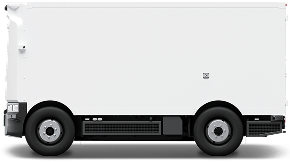
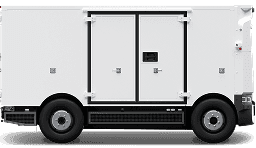
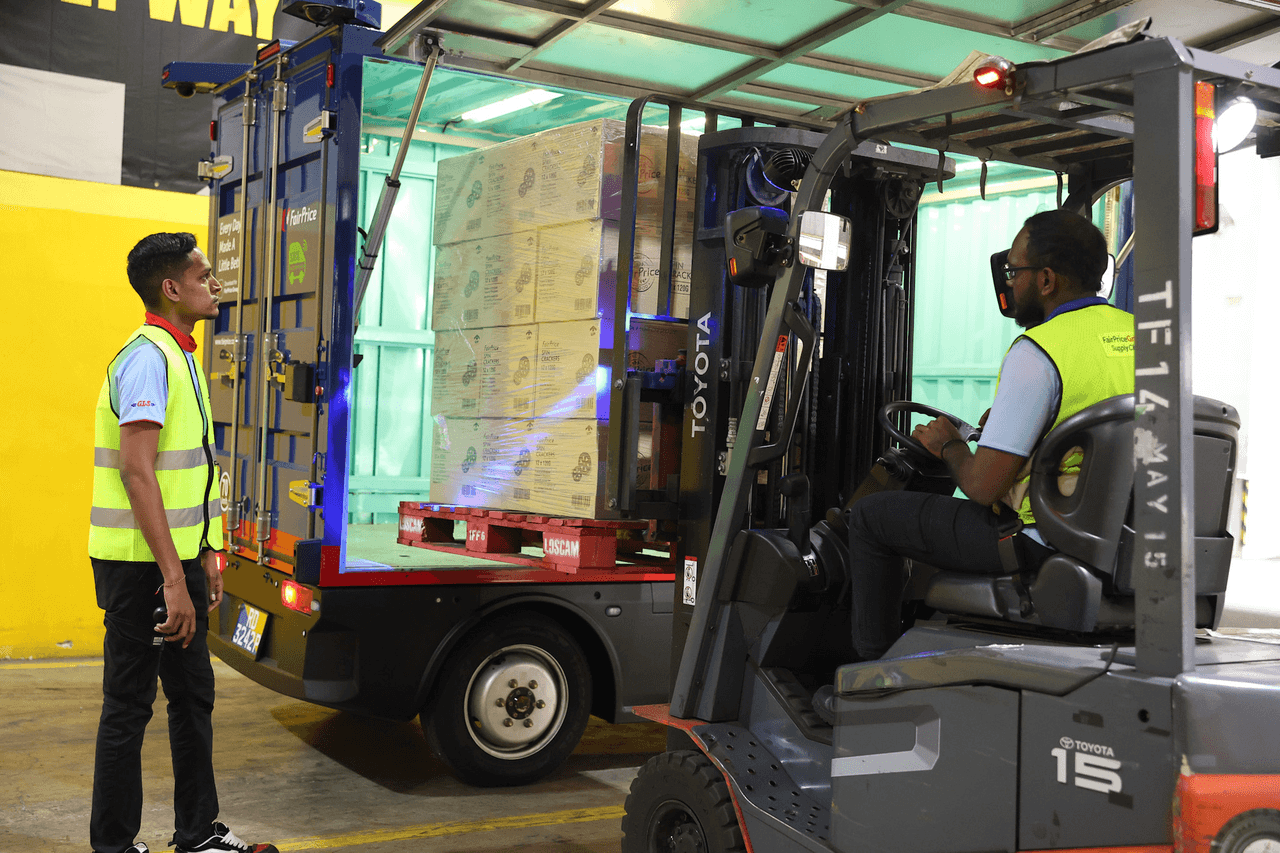
Those daily operations look different from one customer to the next. In Singapore, FairPrice Group uses RoboVans to move goods between distribution centers on public roads, while CEVA Logistics uses them to move inventory between floors at its Blue Hub. RoboVans also serve postal networks at scale. Worldwide, more than 30,000 Zelostech vehicles are in active operation, and the fleet has logged more than 300 million kilometers of autonomous driving. That experience gives Zelostech a foundation for taking on new routes, whether they run through a warehouse or alongside everyday traffic.
Zelostech’s autonomous logistics work now spans 11 of APEC’s 21 member economies.
The Technology Behind Zelostech’s Expansion Across APEC
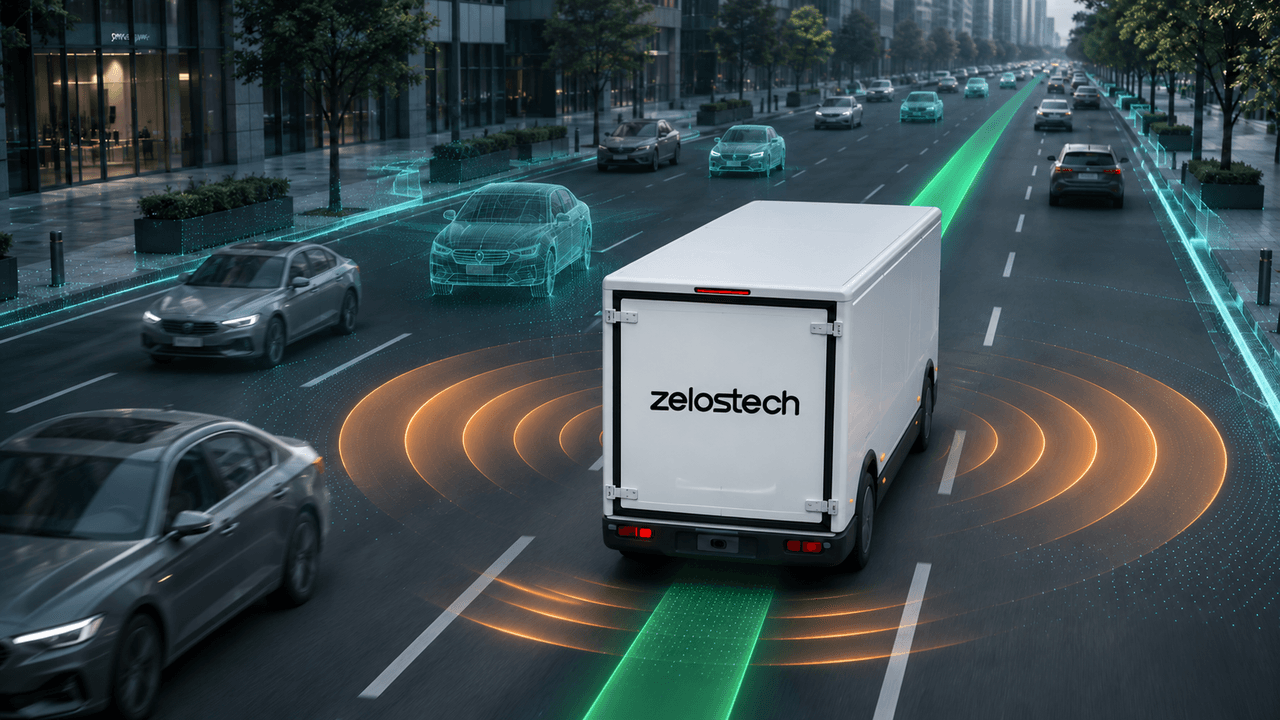
AI and autonomous driving were prominent topics at the APEC CEO Summit. A practical challenge for autonomous logistics is making the same driving system useful in markets with different road layouts and traffic patterns. Zelostech’s map-free Level 4 system uses cameras, LiDAR, and radar to interpret its surroundings in real time, removing the need to build a high-definition map for each new operating area. Zelostech began rolling out the system at scale in 2026, reducing the mapping work required to prepare new routes.
The system brings perception, prediction, and driving decisions into a single AI architecture. Its vision-language and vision-language-action models help it interpret complex situations and decide how to respond. On a narrow road partially blocked by a parked truck, for example, the driving decision depends on more than recognizing the obstacle. The system has to assess the space available, anticipate how nearby road users may move, and decide whether to proceed or wait.
Zelostech uses a simulated world model to test those kinds of decisions before they arise on a new route. The model learns from real driving data and generates variations of rare or complex situations, allowing engineers to test how different decisions play out. That gives each new deployment a starting point informed by experience elsewhere, with local testing focused on the roads, traffic patterns, and operating requirements specific to that market.
How Autonomous Logistics Is Taking Shape Across APEC
Singapore offers the clearest view of how many parts of a logistics network can use RoboVans. FairPrice Group uses them on public roads to move goods between distribution centers, while DHL Supply Chain uses them for regular transfers between facilities. CEVA Logistics moves inventory between floors at its Blue Hub, and SingPost is introducing the vehicles at its Regional eCommerce Logistics Hub. At Changi Airfreight Centre, Zelostech is supporting SATS in validating a service that connects airfreight terminals with freight forwarders’ warehouses. Each project gives the vehicle a distinct role within an operation already in motion.
Public-road trials in other economies are helping establish the conditions for broader use. In Malaysia, a remote operations center supervises a Zelostech Z10 on a designated route through Cyberjaya, where the vehicle shares the road with everyday traffic.
In Thailand, Zelostech followed controlled testing with trials at an active industrial estate in Rayong, where the vehicle encounters the traffic of a working manufacturing site. Japan presents a different question. At Tokyo Ryutsu Center, a government-supported project is examining how vehicles can move goods across multiple floors within a busy distribution facility.
Postal logistics shows how large the opportunity can become. In China, Zelostech’s largest market, China Post selected the company as a major supplier under a centralized procurement program covering approximately 7,000 autonomous logistics vehicles in total. Elsewhere in APEC, Zelostech is working with Ten-League Australia to identify applications in ports and logistics hubs, and with local partners in Chile to advance commercial deployment.
What APEC Economies Can Build on Together
The most useful lessons from a driverless route often come once it becomes part of the daily schedule. Over repeated trips, operators learn how much time to allow for loading and when a remote supervisor needs to step in. Sharing those lessons across APEC gives businesses and transport authorities a better starting point when they plan their own trials.
Zelostech will continue working with partners across APEC to bring that experience into new deployments and expand the range of logistics jobs businesses can confidently assign to an autonomous vehicle.