UN Officials Visit Zelostech’s RoboVan Exhibition at the Fifth Ministerial Conference on Transport
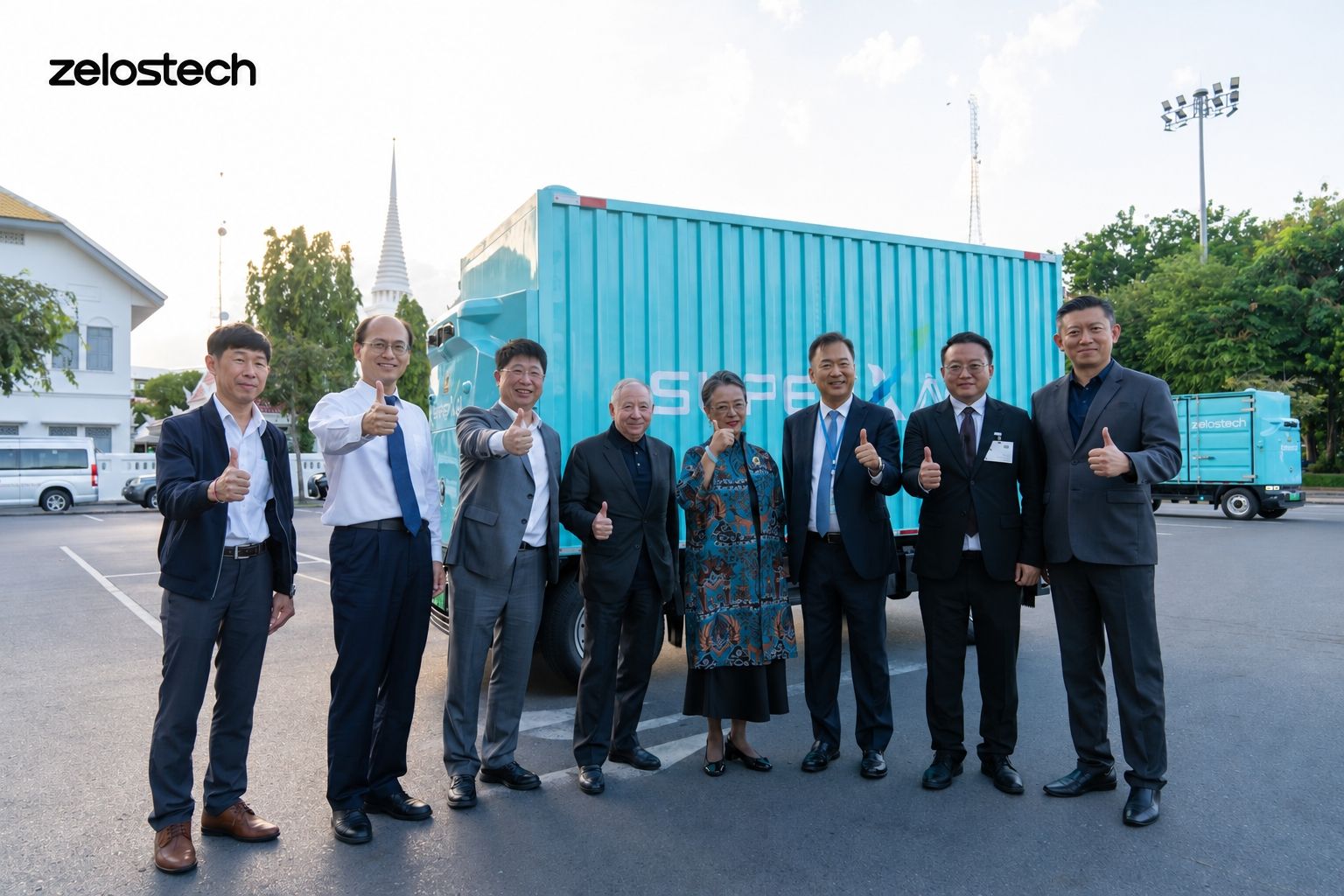
Bangkok, November 19, 2026 — UN Under-Secretary-General Armida Salsiah Alisjahbana and Jean Todt, the UN Secretary-General’s Special Envoy for Road Safety, visited Zelostech’s exhibit at the Fifth Ministerial Conference on Transport in Bangkok. Hosted by the United Nations Economic and Social Commission for Asia and the Pacific (ESCAP) from November 17 to 20, the conference brought governments and industry together to discuss how the region can expand sustainable transport. Zelostech was the only company to exhibit RoboVans at the conference.
A Close Look at How RoboVans Respond to Pedestrians
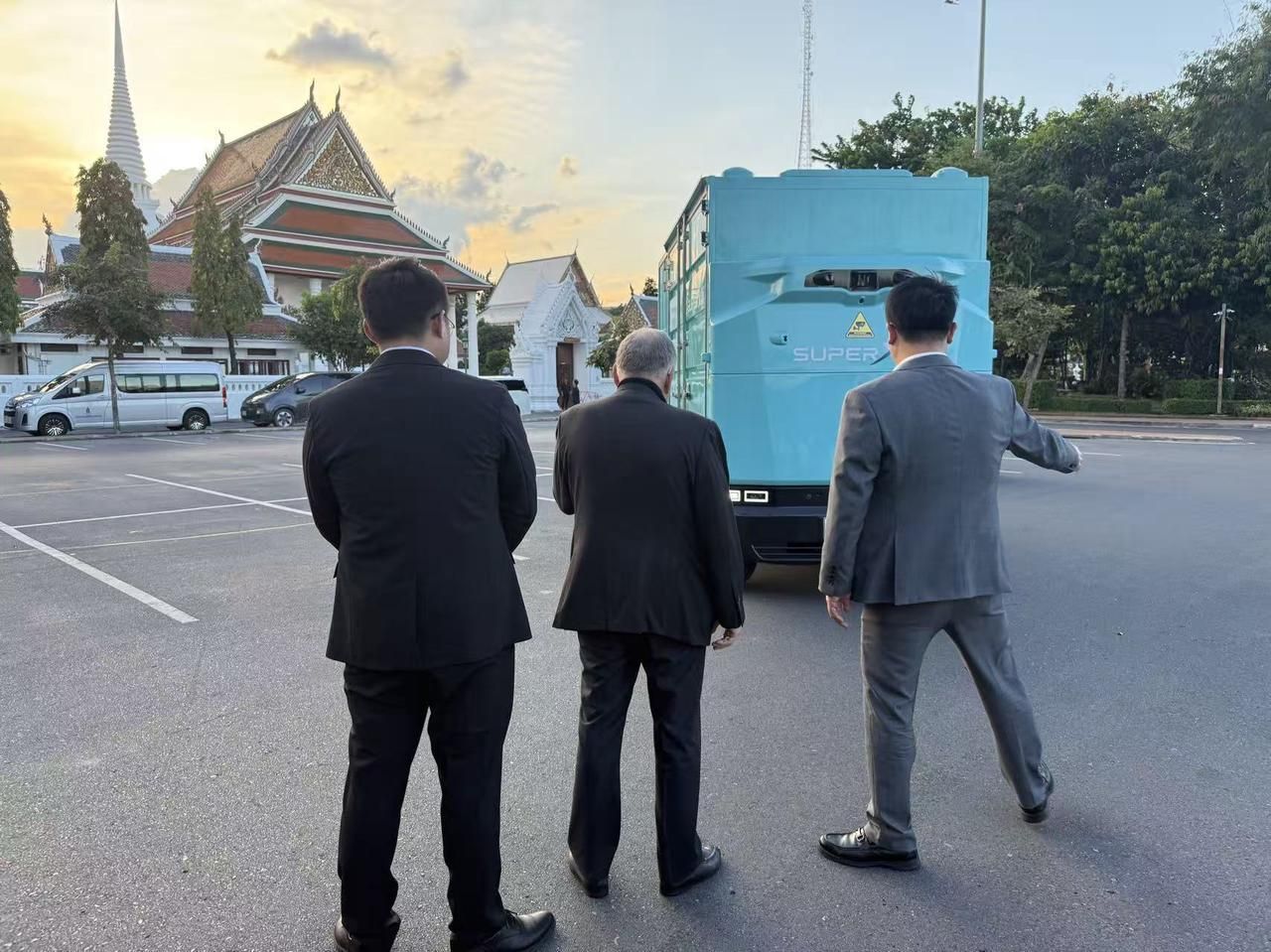
Alisjahbana, who also serves as ESCAP’s Executive Secretary, and Todt met with Zelostech’s Chief Public Affairs Officer Yuechuan Qu to discuss the company’s autonomous driving technology and its work in Thailand and other markets. The exhibit also welcomed delegates from China, Japan, the Republic of Korea, Sri Lanka, Thailand, and Tonga. During the visit, Todt stepped in front of a RoboVan several times to observe how the vehicle detected and responded to a pedestrian during the demonstration.
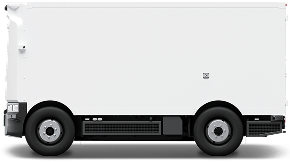
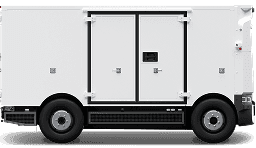
On November 19, Zelostech showcased its Z5 and Z10 series and presented a Z10 configuration for cold-chain logistics. The live demonstration showed how a RoboVan detects its surroundings, makes driving decisions, and responds as conditions change. The range of vehicles also gave delegates a look at how the same autonomous driving technology can serve different logistics needs, including temperature-controlled transport.
What It Takes to Bring Autonomous Logistics Into Service
At the November 17 side event Who’s Driving? Autonomous Mobility in Asia and the Pacific, Zelostech Asia-Pacific Regional Manager Yuchen Zhang shared lessons from the company’s international deployments. His presentation covered how Level 4 technology moves from development into commercial service, including how vehicles are matched to logistics tasks, how fleets are managed at scale, and how deployments are adapted to local regulations.
Thailand offers a local example of that process. Zelostech took part in the country’s first official Level 4 automated vehicle testing program before moving into mixed-traffic testing at an active industrial estate in Rayong. Each stage answers a different question, from how a vehicle responds in defined traffic scenarios to how it operates alongside the vehicles that serve a working industrial site. Zelostech is working with local authorities and industry partners to use that experience to identify where autonomous logistics can be deployed.
The discussions in Bangkok brought together two perspectives that shape any deployment. Transport authorities need evidence of how vehicles respond in the environments where they would operate, while logistics companies need to know how those vehicles will fit into the working day. Zelostech will continue working with partners across the Asia-Pacific and beyond to bring those considerations together as more projects move from testing into regular service.