Zelostech RoboVan Deploys at Changi Airport to Enable Integrated Landside Logistics Automation
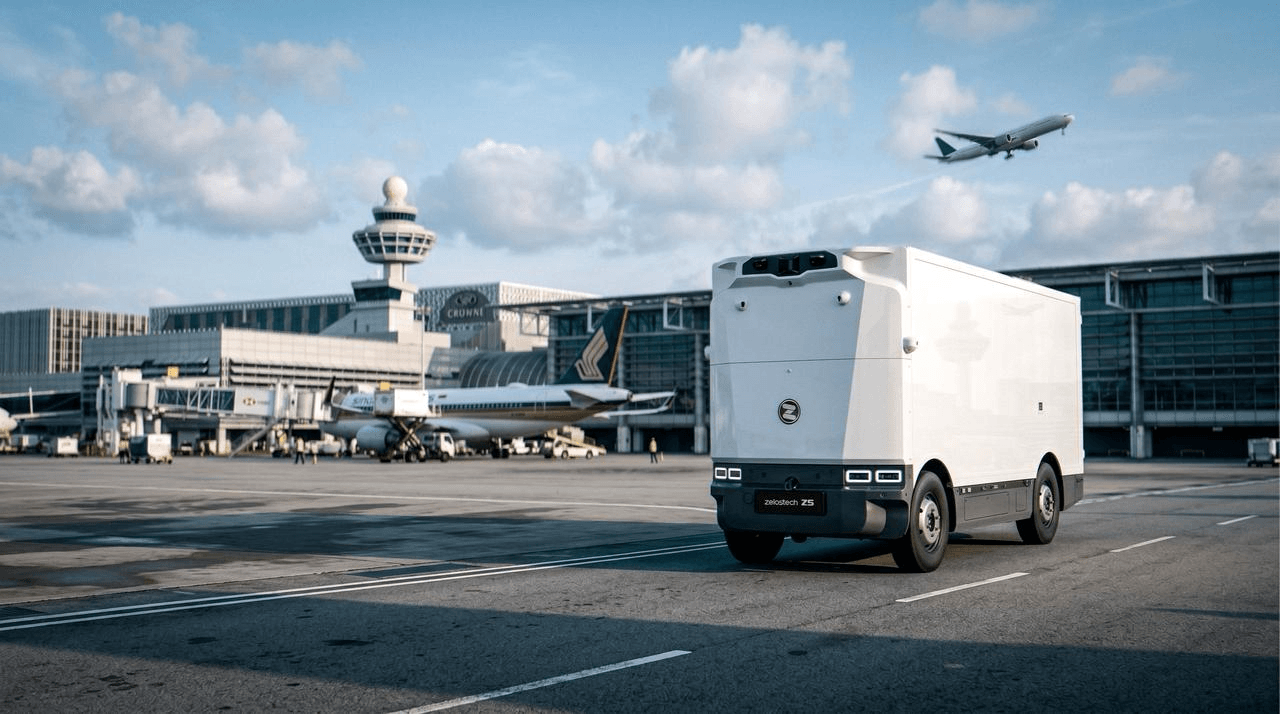
Singapore, Changi Airport — Zelostech and Eevie initiated an autonomous vehicle (AV/RoboVan) deployment within the Changi Airport Free Trade Zone, marking a transition from isolated automation testing to system-level integration of autonomous logistics into airport operations.
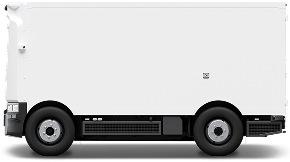
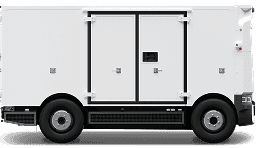
The initiative deploys the Zelostech Z5 autonomous cargo vehicle as an execution layer within the airport logistics network, enabling driverless cargo movement across interconnected ground handling, consolidation, and freight forwarding operations.
From Vehicle Trials to System Integration in Airport Logistics
Unlike traditional autonomous vehicle pilots that focus on point-to-point transportation, the Changi deployment is designed as a multi-node logistics system integration program.
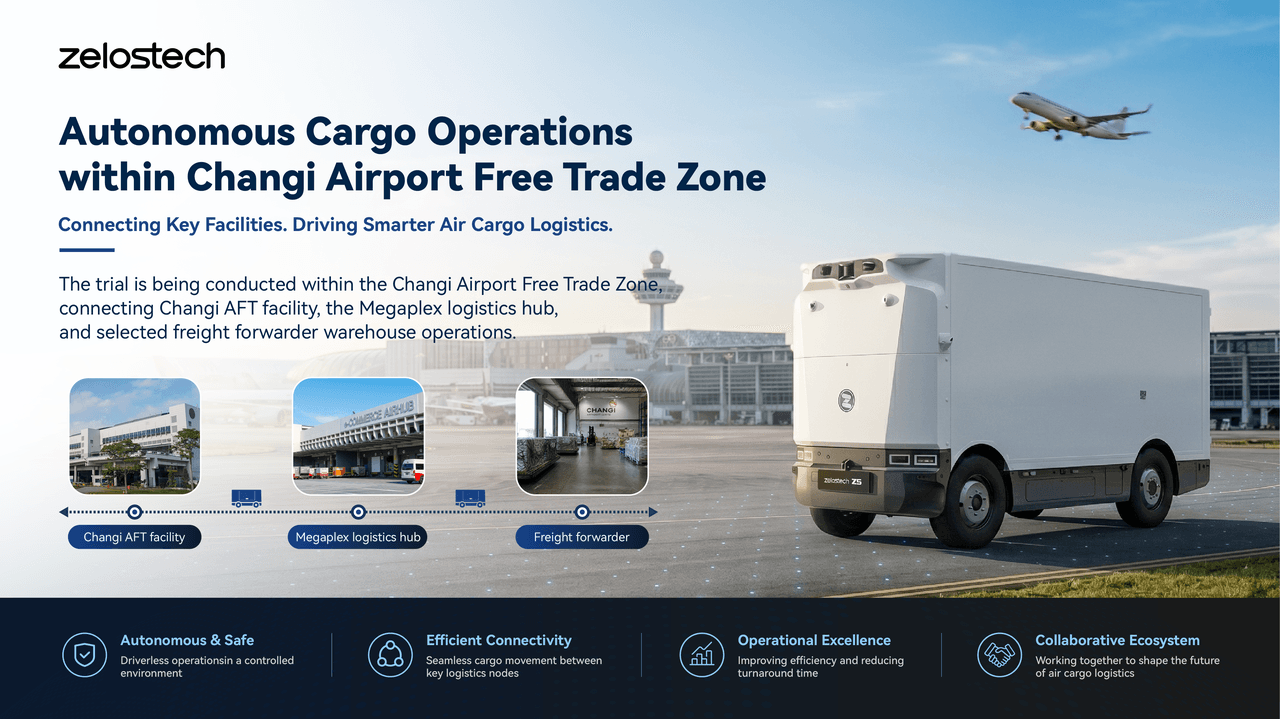
The trial connects key operational components within the airport ecosystem, including:
- Changi Airport Air Cargo Terminal (AFT) operations facility
- Megaplex logistics consolidation hub
- Selected freight forwarder warehouse operations
Rather than operating as isolated infrastructure, these nodes are linked through the aviation system, ground handling system, and autonomous driving system, enabling coordinated cargo flow across the airport’s regulated
Key System-Level Capabilities Demonstrated Integration into Airport Operational Architecture
Zelostech RoboVan is designed to function as part of the airport logistics system, enabling autonomous execution across multiple operational stakeholders rather than operating as a standalone transport vehicle.
Multi-Node Cargo Flow Coordination
The system supports structured movement of cargo between logistics nodes, improving synchronization across handling, consolidation, and forwarding processes.
Predictable and Standardized Logistics Execution
By executing inter-facility transportation with autonomous vehicles, the system improves the consistency and predictability of cargo movement within the airport ecosystem.
Safety-Validated Autonomous Operation in Regulated Airside Environment
The RoboVan operates under strict safety constraints within a controlled aviation environment, demonstrating operational maturity in complex real-world logistics conditions.
Cross-Stakeholder System Integration Model
The deployment brings together aviation operators, logistics providers, and autonomous driving technology systems into a unified operational framework for airport logistics automation.
Advancing Air Cargo Infrastructure Modernisation
Traditional air cargo ground operations rely heavily on manual vehicle movement and coordination across multiple nodes. The introduction of autonomous cargo vehicles represents a shift toward more standardised and system-driven logistics flows.
Key expected outcomes include:
- Improved predictability of cargo movement
- Reduced operational bottlenecks in ground handling
- Enhanced inter-terminal logistics efficiency
- Scalable model for future autonomous airport logistics deployment
This initiative represents a step toward infrastructure-level transformation rather than a standalone vehicle demonstration. As global air cargo demand continues to increase, airports and logistics operators are exploring automation technologies to enhance resilience and efficiency.
The Changi Airport AV trial demonstrates how autonomous mobility solutions can be integrated into existing aviation logistics ecosystems, supporting the evolution toward safer, more efficient, and more scalable airside operations.
About Zelostech
Zelostech is the world’s largest RoboVan enterprise and a global leader in autonomous driving technology, pioneering large-scale commercial deployment of autonomous logistics across open and closed road environments. As the global pioneer of RoboVan, Zelostech developed the world’s first autonomous van to achieve fully driverless operation in real-world scenarios, powered by its map-free L4 full-stack proprietary technology. To date, more than 25,000 autonomous logistics vehicles are in active operation worldwide, accumulating more than 160 million kilometers, serving high-frequency, mission-critical logistics scenarios. https://zelostech.ai/
Media Contact: pr@zelostech.com