Dock Scheduling That Fits Your Receiving Capacity

Two delivery vehicles have confirmed appointments for 09:00. The site has two receiving positions, so the plan appears feasible. But both loads require the same handling team and equipment. One vehicle waits, the next arrival joins the queue and the receiving schedule starts slipping before the morning is underway.
Dock scheduling should reserve the resources needed to complete a handover. A space on a calendar is only useful when the receiving position, staff, equipment and destination area can support the booked load. The position may be a conventional dock or another designated loading and unloading point suitable for the vehicle.
The aim is to allocate limited receiving capacity predictably. That requires a clear definition of the appointment, a realistic handling duration and agreed rules for departures from the plan. Software can communicate those decisions, but it cannot create a second handling team that the site does not have.
Build dock scheduling around the constrained resource
Start with the work the receiver must perform. A typical handover may include admitting the vehicle, confirming its position, establishing the safe loading or unloading state, moving the goods, checking the receipt and releasing the vehicle. Include the time needed to clear the position for the next arrival.
Estimate duration by load type and handling method. A small, clearly labelled carton delivery may need different resources from a mixed load requiring detailed reconciliation. Review actual service times, including variation, rather than applying the shortest observed duration to every booking.
For warehouse transfer, check whether goods can leave the receiving area as quickly as they arrive. A free unloading position does not establish capacity if the downstream staging space is full. Dock management should expose that dependency before accepting another appointment.
In the opening example, assume each load needs 25 minutes of handling and ten minutes for checks and clearance. With one handling team and two positions, booking both for simultaneous service creates a conflict. A second position can support parallel work only when the other required resources are also available. These durations are illustrative assumptions.
Define what a confirmed appointment promises
Dock appointment scheduling should distinguish a requested time from an accepted service window. Confirm the shipment reference, vehicle or task identifier, load characteristics, handling requirements, receiving location and planned duration. Identify which timestamp the window governs: site check-in, arrival at the receiving position or the start of handling.
For example, a 09:00–09:35 handling reservation might require the vehicle to complete check-in beforehand. That requirement must be explicit, with a suitable place to wait if needed. Calling both events arrival leaves the carrier and receiver working to different promises.
Confirmation should also establish that the shipment is ready to move. For collections, the sending site must have the goods prepared for the agreed handover. For deliveries, the receiver needs the necessary space and personnel. If either condition changes, update the appointment before dispatching a vehicle into an avoidable queue.
Keep the appointment linked to its cargo and task when a vehicle is substituted. The replacement may have different dimensions, access or unloading requirements. Confirm suitability rather than assuming that the original reservation remains valid because the order number is unchanged.
Give exceptions a route back into the schedule
Appointment event | Receiving decision | Information returned to dispatch |
Booking request | Check position, staff, equipment and space before acceptance | Confirmed window or proposed alternative |
Early arrival | Use an authorised waiting arrangement; advance service only if capacity permits | Waiting location and revised call-forward time |
Late arrival | Reassess remaining capacity and later commitments | Retained or replacement window and decision owner |
Cancellation | Release the reservation and reconcile the transport task | Cancellation acknowledgement and cargo disposition |
No-show | Verify status at the agreed decision time before reallocating capacity | Rebooking requirement and next available option |
An ETA update should prompt a review before the vehicle misses its window. If a delay makes the current reservation unusable, the receiver offers an alternative and dispatch checks the effect on later tasks. The new appointment becomes effective only when both sides have acknowledged it.
A cancelled appointment is not confirmation that a transport task has stopped. If goods are already aboard or the vehicle is moving, the operator needs a permitted holding, delivery or recovery arrangement. The receiving system should retain the cancellation reference and the eventual disposition instead of deleting the booking history.
Early arrival requires similar discipline. A vehicle should not occupy an unloading position just because it is empty at that instant. Staff may be preparing the position for a different load, or the next booking may already be approaching. Call vehicles forward according to confirmed readiness, not their position in an informal queue.
Plan for repeated autonomous handovers
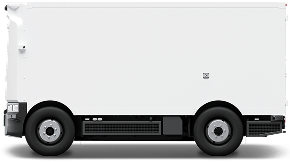
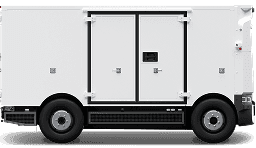
Repeated movements within a facility can expose the same capacity conflict as external deliveries. In the CEVA Blue Hub trial, announced in September 2026, Zelostech reported that Z10 RoboVans were being piloted for intra-hub transport between floors at CEVA Logistics’ Singapore facility, moving pallets, totes and other inventory using the building’s existing ramps. The movement brings cargo to a receiving point; it does not remove the need for that point to be ready.
For a comparable assignment using a Z10 RoboVan, reserve the receiving resources around the expected handover, then release the next movement when those resources are available. A site could use that readiness condition to control when the next movement is released.
The practical question is who confirms that handling can begin and who authorises the vehicle to leave afterwards. Assign those responsibilities in the site procedure and connect them to the transport task. A vehicle-arrival notification and a receipt confirmation describe different events and should remain separate in the records.
Specify the information before choosing software
Dock scheduling software should support the operating rules the site has agreed. Ask whether it can represent resource conflicts, appointment status, revised windows and acknowledgements. A display showing free time slots is insufficient if it cannot distinguish a suitable handling team from one already committed elsewhere.
Information exchanged with warehouse and transport systems should include shipment and task references, location, load size, handling requirements, estimated arrival, confirmed service window and status timestamps. Updates need a version or other reliable way to distinguish the current instruction from an older message. Define ownership of each field and how discrepancies are resolved.
When assessing dock appointment scheduling software, test an early vehicle, a late vehicle, a cancellation after dispatch and a substitute with different handling needs. Verify that repeated messages do not create duplicate bookings, and that interrupted communications leave staff with a documented fallback. These are requirements to validate, not assumed features of any vehicle supplier's platform.
Measure whether the receiver kept its promise
Track queue time separately from handling time and distinguish a late vehicle from a receiver that started late. Review no-shows, rebookings, overruns and occasions when staging capacity prevented unloading. The pattern should identify whether to revise slot duration, improve preparation or adjust resource allocation.
A dependable dock schedule is one the receiving operation can actually honour. Measure whether delays came from the vehicle, the handling team, equipment, staging space or the appointment itself, then adjust the constraint that caused the queue. Adding more bookings to the calendar will not increase throughput when the resource required to complete the handover is already occupied.