Urban Microhubs vs Direct Delivery: How to Choose the Right Smart City Logistics Model
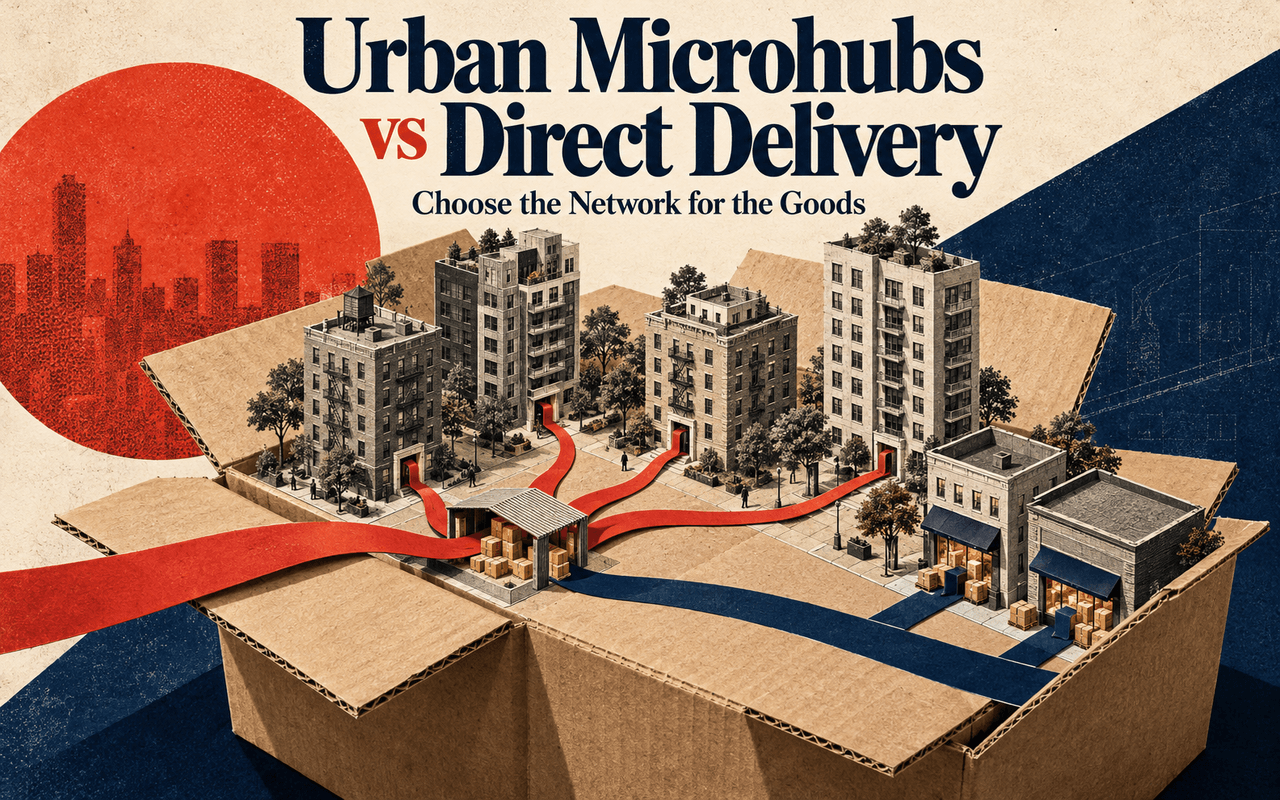
Picture a neighborhood of apartment buildings surrounding a few retail stores. A distributor could serve it directly from a distribution center or send consolidated goods to a local microhub, where another team takes over. The streets and available site stay the same in the two scenarios below. What changes is the freight.
In one scenario, most orders are small parcels for residents. In the other, most goods arrive in consolidated loads for the stores. That difference can reverse the case for a microhub, even though the district is equally dense in both.
This hypothetical comparison explores a practical smart city transportation decision: when does a local transfer point improve delivery enough to justify another handover? It is a planning example, not a reported RoboVan deployment or a forecast of savings.
When urban microhubs work for residential parcel delivery
A microhub is worth assessing when short local rounds can offset the extra handover.
With many small consignments going to neighboring apartments, a local delivery team can group work into short rounds. A feeder vehicle brings the goods into the district, then leaves while couriers continue delivering inside buildings. The inbound vehicle can return to other work while the local team completes its round.
An urban microhub is a local logistics transfer point serving a surrounding delivery area. Depending on the operation, it can provide sorting, short-term holding and handover to local delivery teams. Goods arrive together, then leave in rounds organized for nearby recipients.
New York City's microhubs program supports transfers to smaller vehicles, cargo cycles and handcarts. The practical change is at the transfer point: goods arrive together, then leave on local rounds using vehicles suited to nearby deliveries.
For the apartment scenario, the site also needs to be available when deliveries arrive, permitted for the intended use and large enough to hold goods awaiting the next round. Losing access during the delivery window would undermine the network even if demand were strong.
The site needs a team and a working process as well as space for unloading. Someone must receive the goods, organize onward dispatch and account for anything left behind. Decide whether sorting happens at the distribution center or locally: that choice changes both the space and staffing required at the microhub.
For example, a courier might receive a pre-sorted group of parcels for several nearby apartment buildings. The feeder vehicle would have no need to visit each building entrance. That division only works if the parcels arrive in the right groups and the courier is ready to receive them.
Timing links the two stages. Work backward from the customer deadline to the local round departure, sorting time and required feeder arrival. If a small inbound delay causes the entire local round to miss its window, the proposed connection needs more time or a recovery arrangement.
The apartment scenario also needs a steady flow of parcels to keep the scheduled rounds worthwhile. If the first courier round has already left when another load arrives, parcels may wait for the next departure. Holding space and later delivery capacity then become part of the design. A hub that works for a predictable morning wave may be less useful for scattered urgent orders requiring immediate dispatch.
Consolidated store deliveries: start with direct service
Direct delivery is the stronger starting point when stores can already receive consolidated loads.
Now keep the same neighborhood and available site, but replace most residential parcel orders with consolidated deliveries to the stores. Each store has workable receiving access. The distribution center can send the goods straight to those receivers, avoiding an intermediate unloading and reloading step.
The microhub would have much less local distribution work to organize. The site is just as close to customers, but fewer deliveries would benefit from using it. If the stores can receive the vehicle during their normal delivery windows, the goods can be handed over directly. The proposed hub needs a specific additional benefit to offset the work of receiving, holding and dispatching those same goods again.
For either shipment mix, compare both networks using the same orders, cargo assumptions and delivery promises. Include returns and failed deliveries, since they may create additional holding or collection work at the hub. A faster inbound trip offers little benefit if extra handling raises the total cost or delays the final delivery.
Delivery density determines how much work a local round can complete within its service area. Assess it using actual walking or cycling access; straight-line distances can hide barriers. A district split by a difficult crossing may function as two delivery areas even when its addresses look close on a map.
Demand stability matters at the level of each delivery wave. A high daily total can conceal an overloaded morning shift and an almost empty afternoon. Size the site and feeder schedule around the goods waiting between arrival and onward departure, including plausible delays.
The financial comparison should include premises, receiving and sorting labor, local delivery, extra handling and recovery work. Compare cost per successfully delivered consignment alongside delivery reliability and handling quality. Check ordinary and quieter weeks as well as peak days before committing to fixed site costs.
The distinction matters in a mixed operation. Residential parcels might justify a local site while store loads continue directly past it. Sending every shipment through the hub would conceal that difference and inflate handling work. Allocate the site costs to the flows that actually use it, rather than spreading them across unrelated deliveries to make the hub appear economical. Both delivery models can operate within the same district.
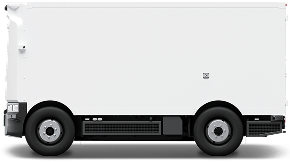
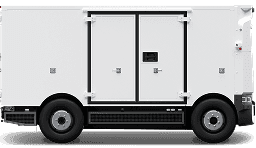
Once the network is chosen, assign the inbound transport, cargo handover and final delivery to the vehicles and teams that will carry them out. A RoboVan could handle recurring transfers between the distribution center and a microhub, with couriers, cargo cycles or smaller vehicles completing local rounds. It could also connect existing receivers directly where that route and shipment pattern fit.
The choice of destination matters as much as the vehicle. A collection point where residents retrieve parcels serves a different purpose from a microhub where couriers prepare onward rounds. Both can receive a consolidated load, but only the second requires the local delivery organization described in the apartment scenario.
Singapore-based Zelostech's December 2025 agreement with SingPost proposed transporting postal and e-commerce parcels from regional distribution centers to mail transit rooms or collection points, subject to LTA approval. This is directly relevant to the feeder question: the autonomous vehicle would connect a larger distribution facility with a local destination rather than visit every recipient.
The partners' April 2026 update reported successful trials inside SingPost's Regional eCommerce Logistics Hub and described public-road deployment as a next step at that time. These announcements support a proposed transport pattern, not a claim that an urban microhub network is already operating.
For the hypothetical district, planners still need to decide whether an existing collection point is sufficient or whether a new site must sort and dispatch local rounds. Specify who unloads the RoboVan, takes custody of each consignment and completes the final delivery. Autonomous driving does not perform those handovers on its own.
Route suitability also needs a separate assessment. The proposed roads, site entrances and operating conditions must fit the vehicle and local authorization. Drawing a line between two facilities does not establish that an autonomous vehicle can use every road along it.
Compare smart city transportation solutions using the district's consignment data, delivery windows and receiving access. Efficient urban transportation depends on the whole delivery chain, including the handling and local rounds after the feeder arrives. Map the same orders onto both networks to identify where the additional transfer helps.
For apartment parcels, a hub can support short local rounds. For consolidated store orders, direct delivery can avoid unnecessary handling. A mixed district may need both. Choose the network for the goods it serves, then assign the RoboVan to a transport task that fits its approved operation.
Microhubs make the most sense when dense parcel flows create enough local delivery work to justify an additional transfer point. Direct delivery is often stronger when consolidated goods can already move efficiently to staffed receivers. Mixed districts may require both models. The network should be designed around the freight first, with autonomous vehicles assigned to recurring transport tasks that fit the route, cargo and local operating conditions